


Last year was a year of good rains, with this year going in another direction, with the Pacific heating causing El Niño, reducing the rainfall significantly, although it was not officially declared until late in the season. However, it was not bone dry in the Western Ghats, with a few spells of rain rejuvenating groundwater and rescuing crops. Meanwhile, I also started posting small videos about the plants, orchids, flowers and other wildlife on Instagram, causing me to lose the cadence of writing. In this article, let’s explore through the monsoon moments!
Just before the rains
This year’s summer rains were also subdued, hinting at what was to come in the monsoon. However, after the burning of shola grasslands, any amount of significant rain is sufficient to revive them with their full greenery and wildflowers. We visited the “Top Mountain” again at the end of May.
The Top Mountain

The Southwest monsoon is now over in Southern India and the winds of Northeast monsoon have started to blow. Between the transition of wind from Southwest to Northeast, there is usually a golden window of few days to a week where the air is free of particulate pollution and the
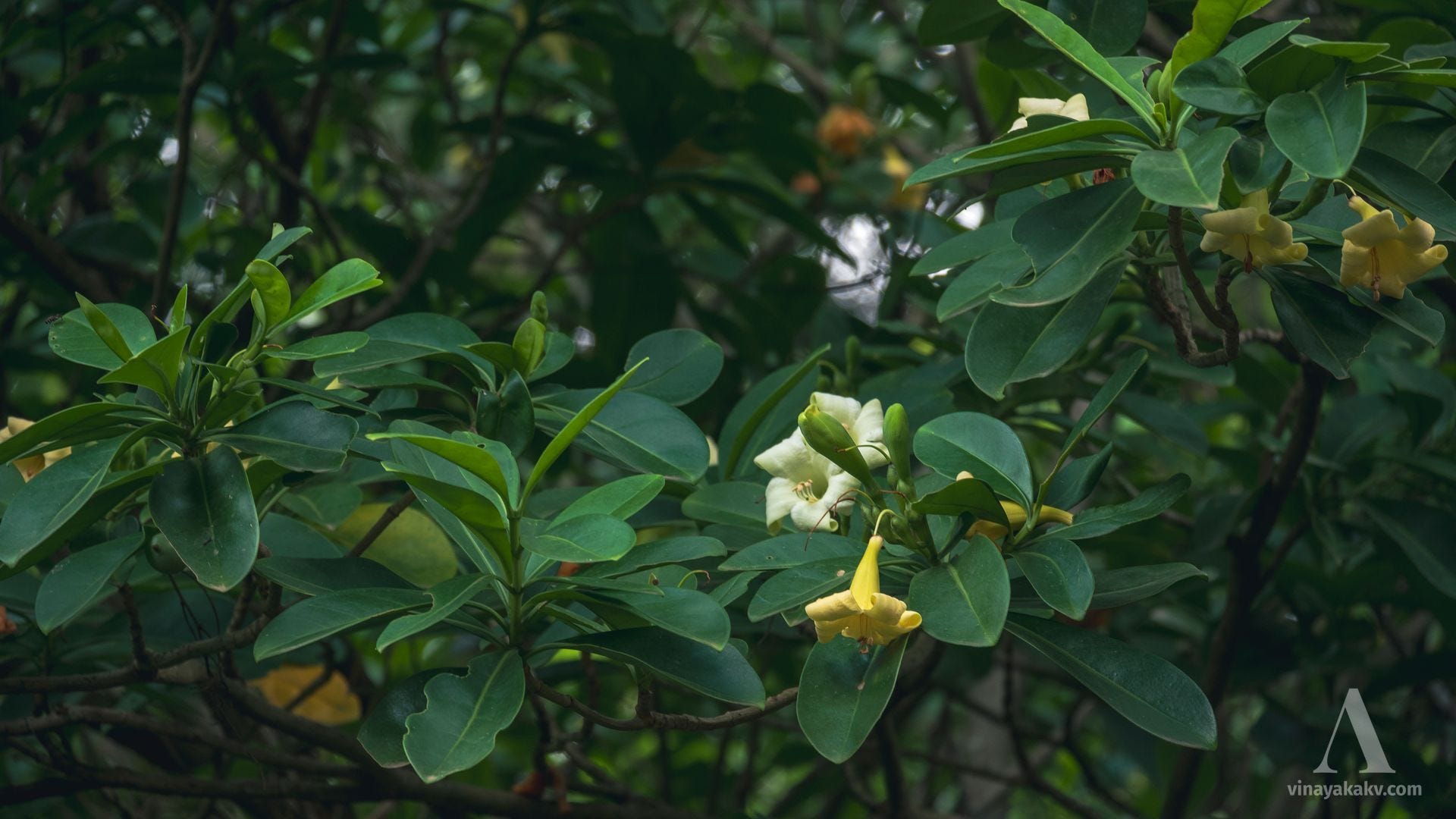
En route, we were greeted with a beautiful Fagraea flower, with its mature plant spreading roots over a boulder.
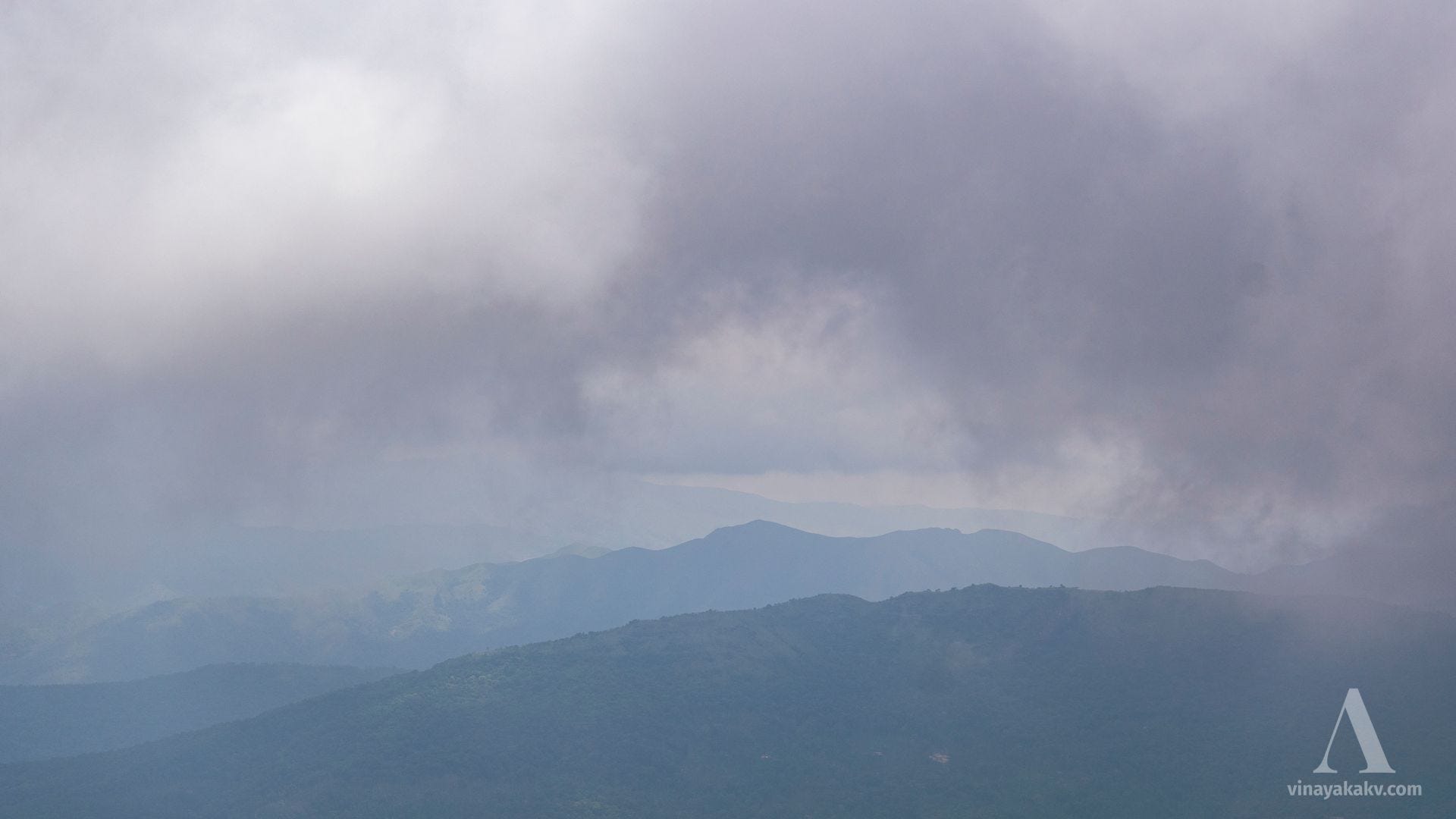
While the greens were welcoming, the haze was very high, limiting our views to only the nearby hills.

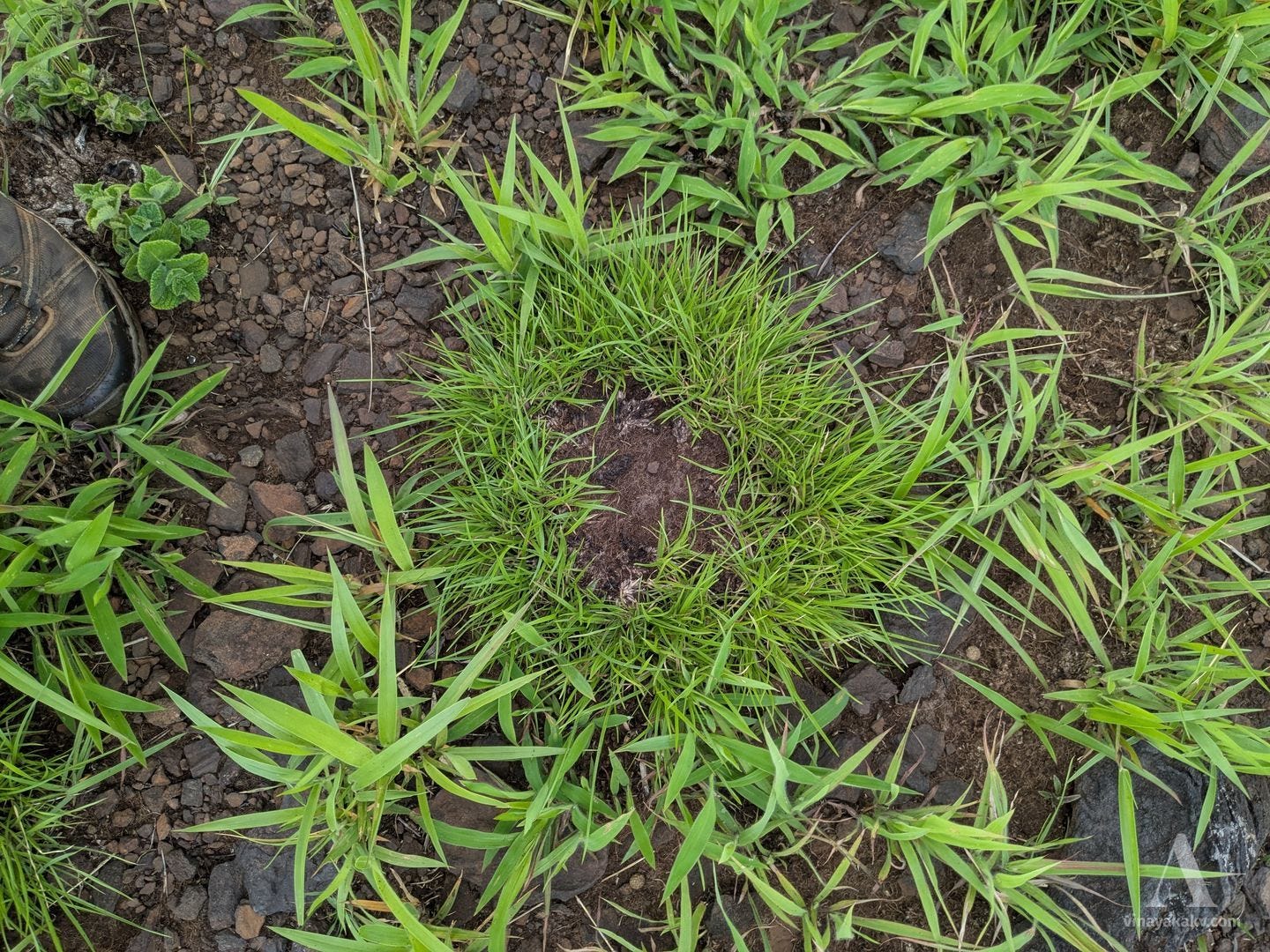
The sight of the grass growing radially outwards from the burnt stump was interesting.
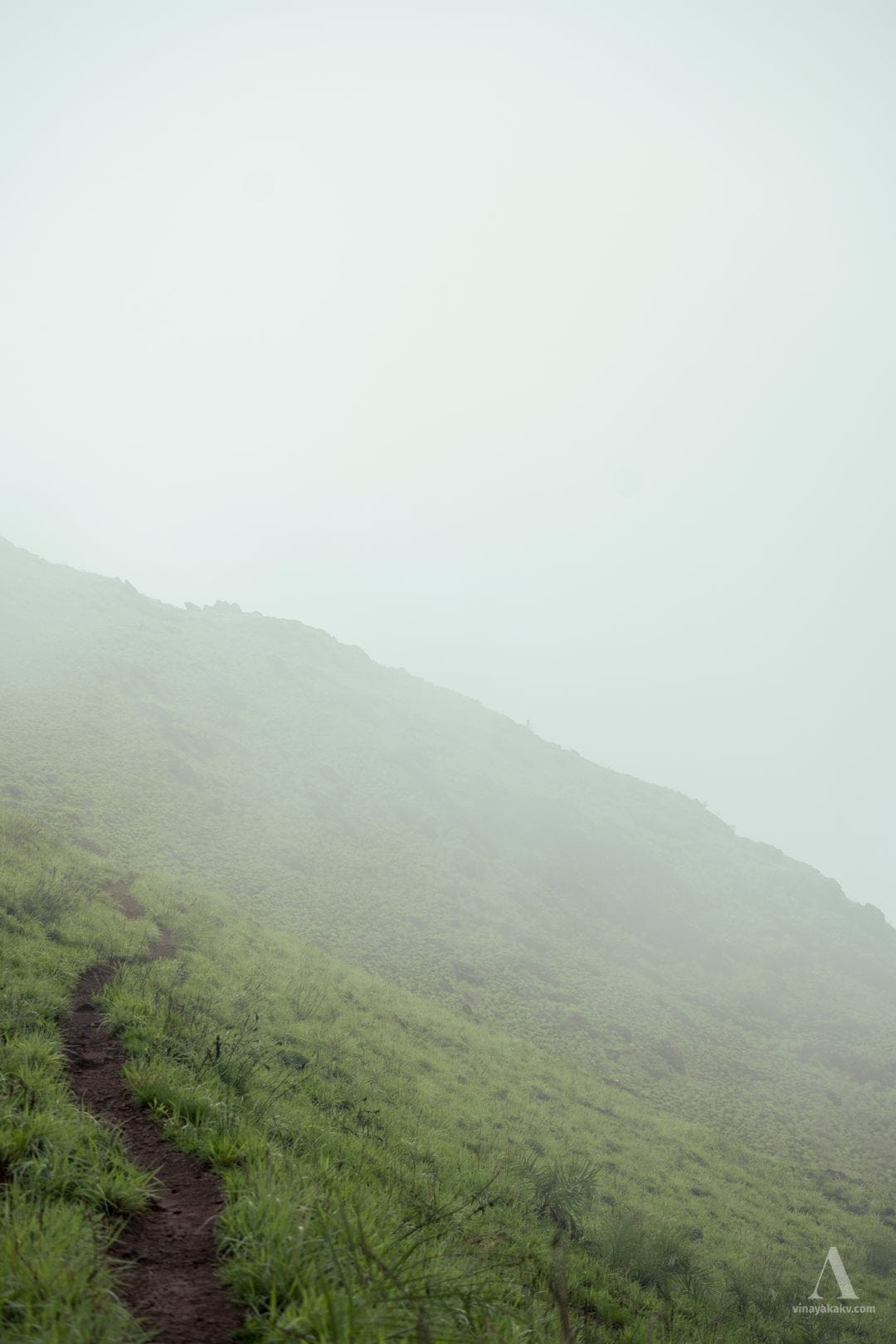
The monsoon winds were still not in, and the convection started creating cumulus clouds and mist that soon blocked our view.
The formation of clouds was interesting to see in a timelapse, with mountains seemingly acting as a barrier. Timelapse credit to @shubhashreehebbar!
There were no lack of wildflowers on the shola grassland.


It rained later in the day. Although the low clouds had the directionality of nearly west to nearly east, it was no monsoon. It was convectional summer rains.
June in — no rains
June started with an anticipation of the arrival of the monsoon. Although it arrived, it was very weak, with the days being a mix of sunny and drizzling rains—a mix that is perfect for rainbows!
The same rains caused the abundance of mangoes and wild jamun fruits to end. Few people suspected that stress-induced flowering was signaling an upcoming drought.


Life continues to cycle with whatever limited resources it has. The mushroom bloom continued, fueled by rains and sun.


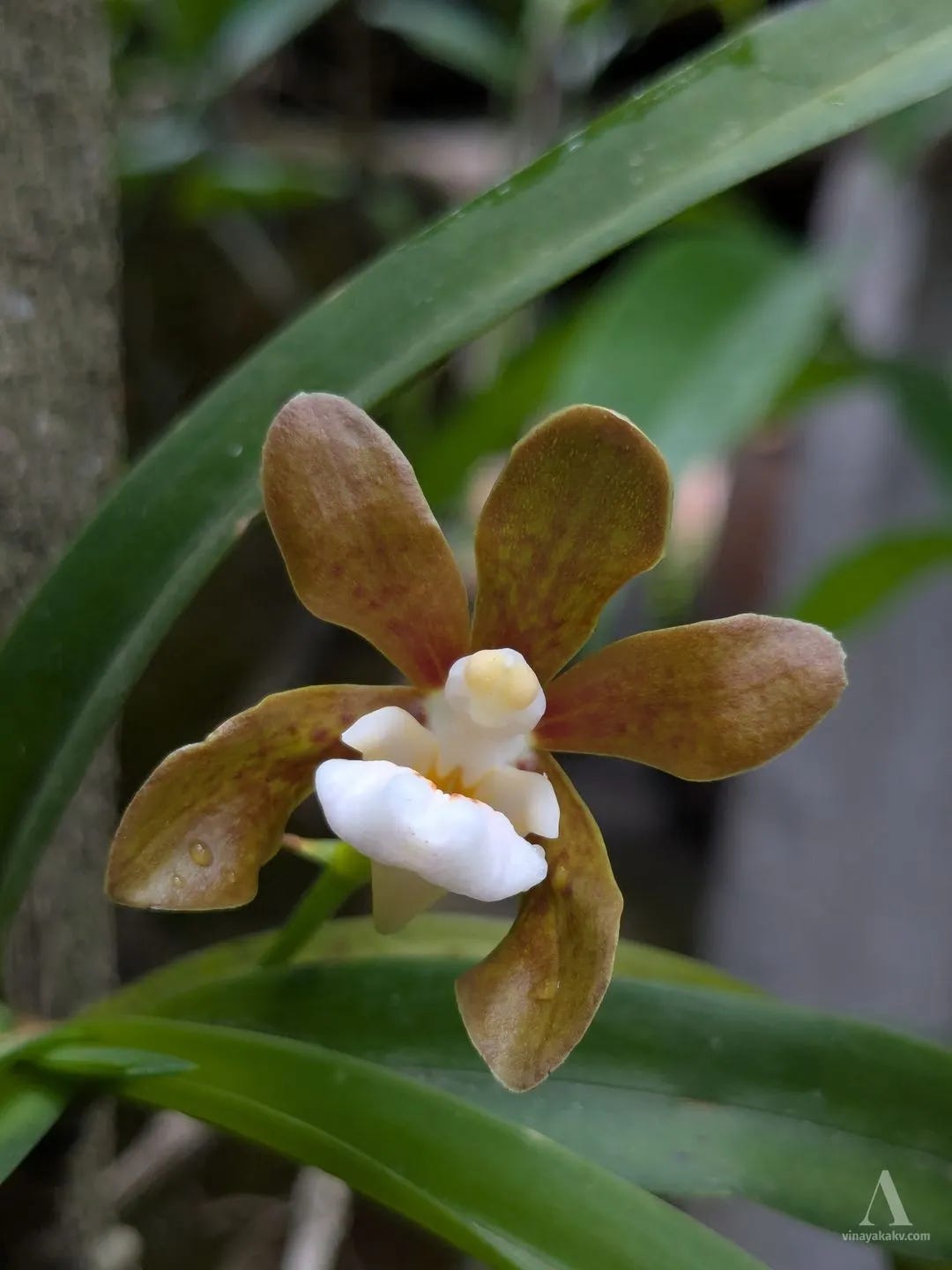
We witnessed the flowering of several orchids, including me observing Vanda thwaitesii flowers for the first time.
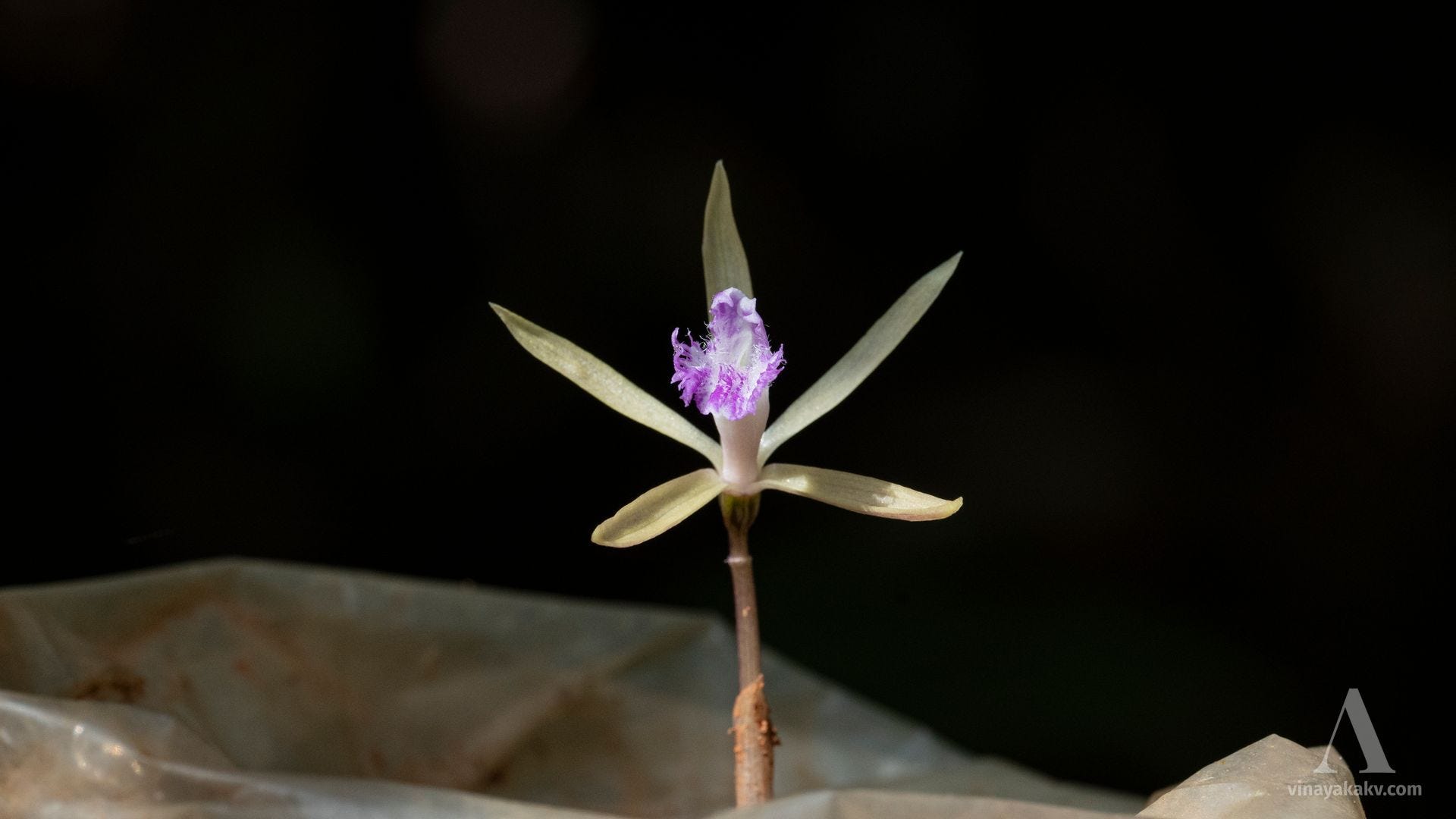
Nervilia crociformis was a first-time observation too, with its beautiful, fragile flowers lasting for a day, closing in the evening and then fading away.
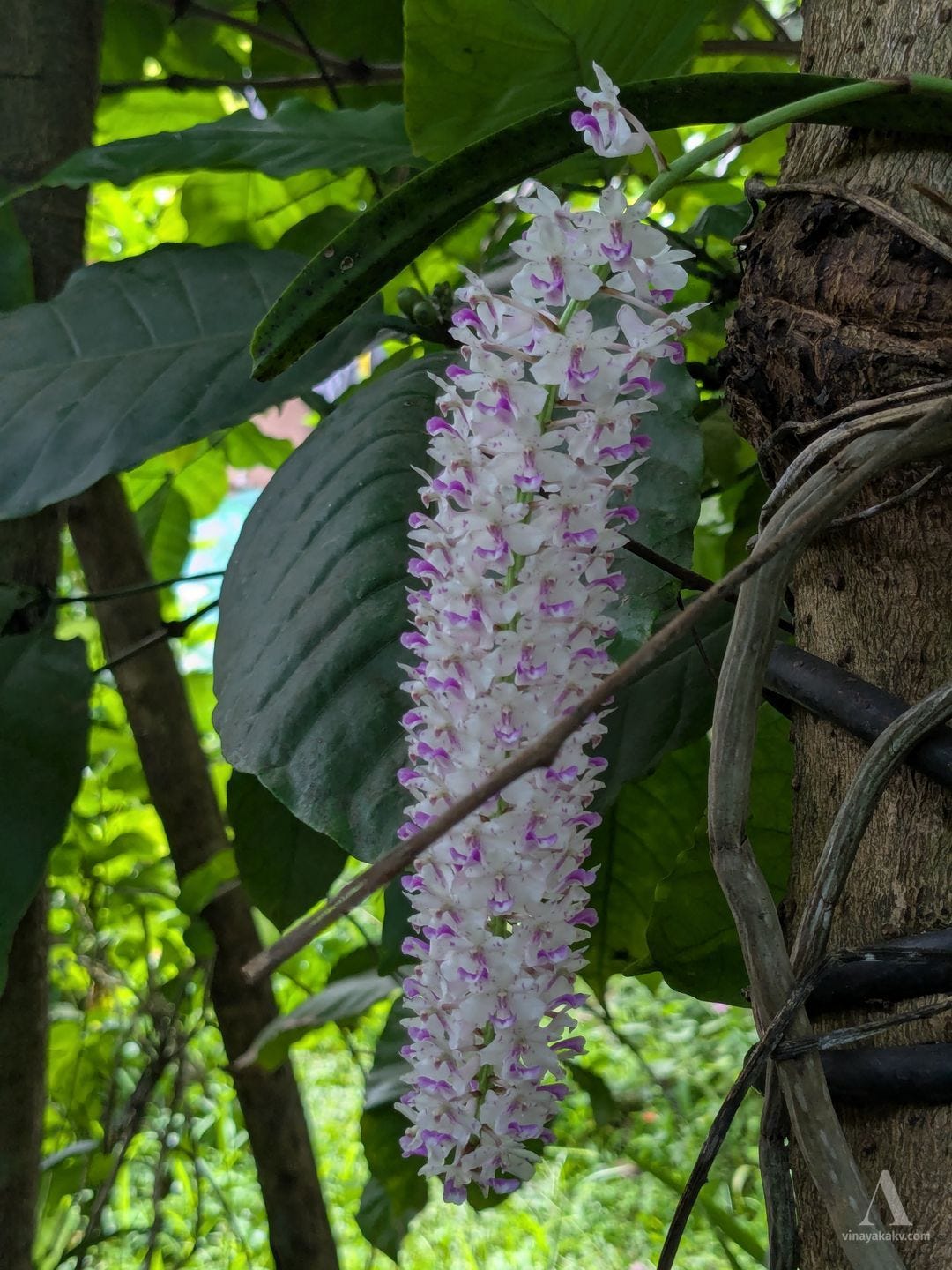
Rhynchostylis retusa was attractive as usual, with its charming flower arrangement.
With rains, several underground rhizomatous plants put on shoots and flowers. The snake-resembling flower of Arisaema is a wonderful sighting on the forest floor.
It is the time when several plants fruit, providing food for wildlife in an otherwise tough situation.


Rains continued to be a bit hit or miss, with some days being completely sunny!
Some other days had a touch of good rain.
The First Spell
The timing of the first spell coincided with my travels to the Mysore plains, located in the rain shadow area of the monsoon, making me miss much of it. However, wherever I went, I could see the perfect movement of clouds from west to east, as is typical during the monsoon. In fact, you won’t need a compass to tell the directions at all!
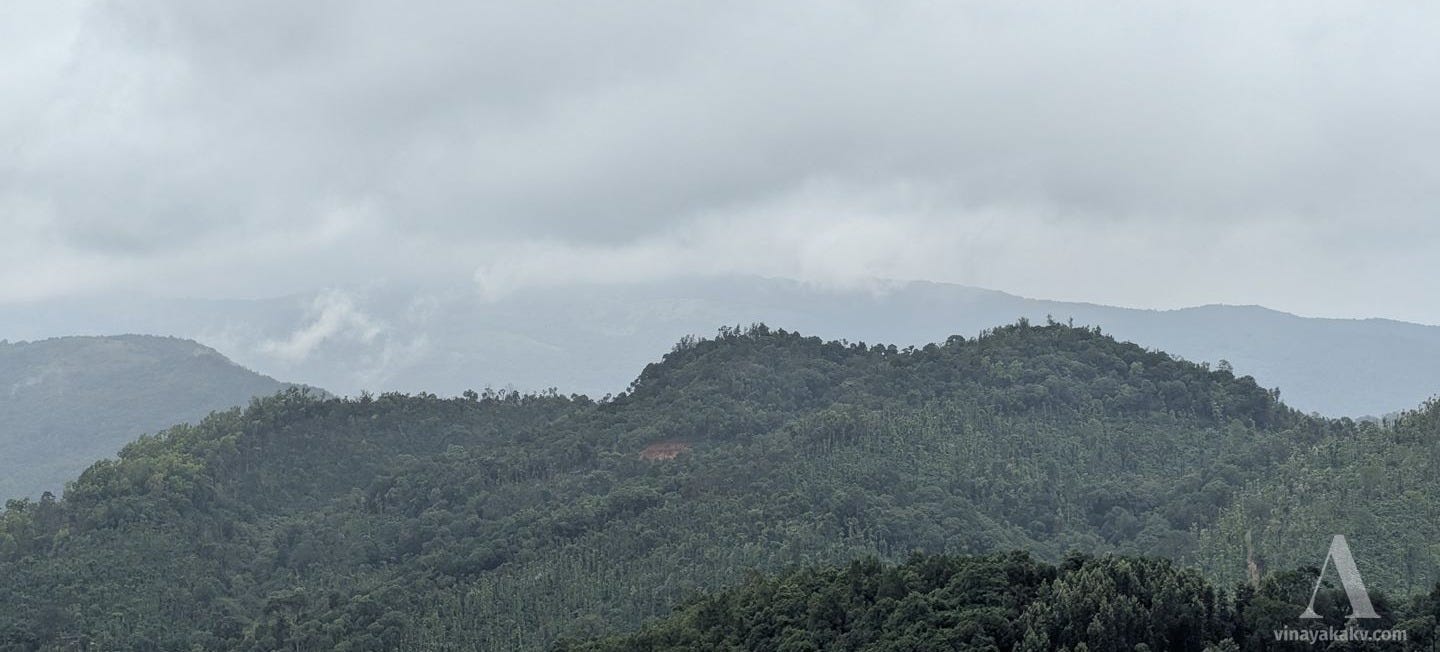
I could not travel on my usual mountainous route due to local transport being overwhelmed with freebies and my being on schedule. However, the other route offered a view of cloud-capped “Top Mountain” from afar.
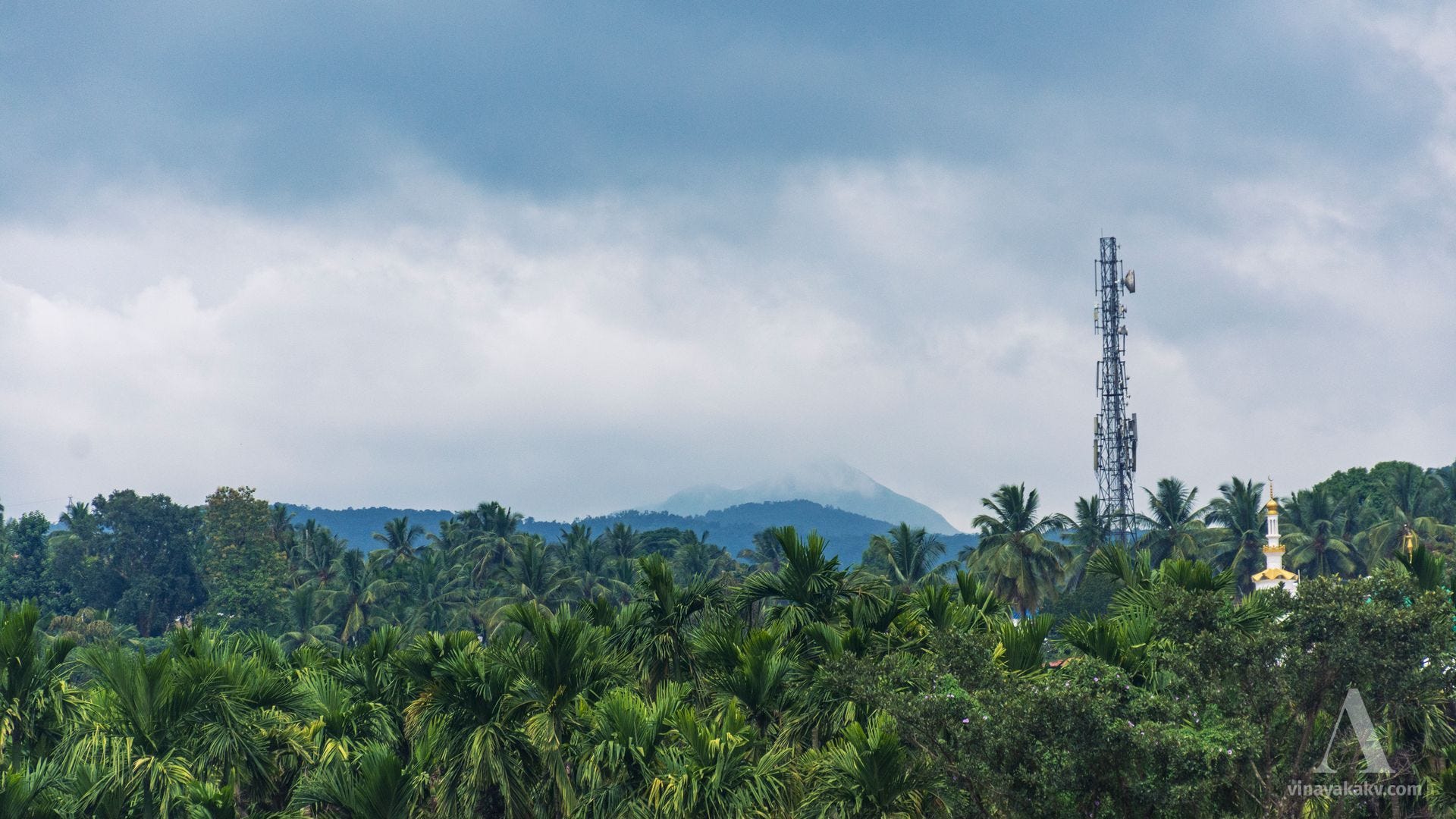
The deciduous forest-side ranges of the Chandradrona Mountains were also very green.
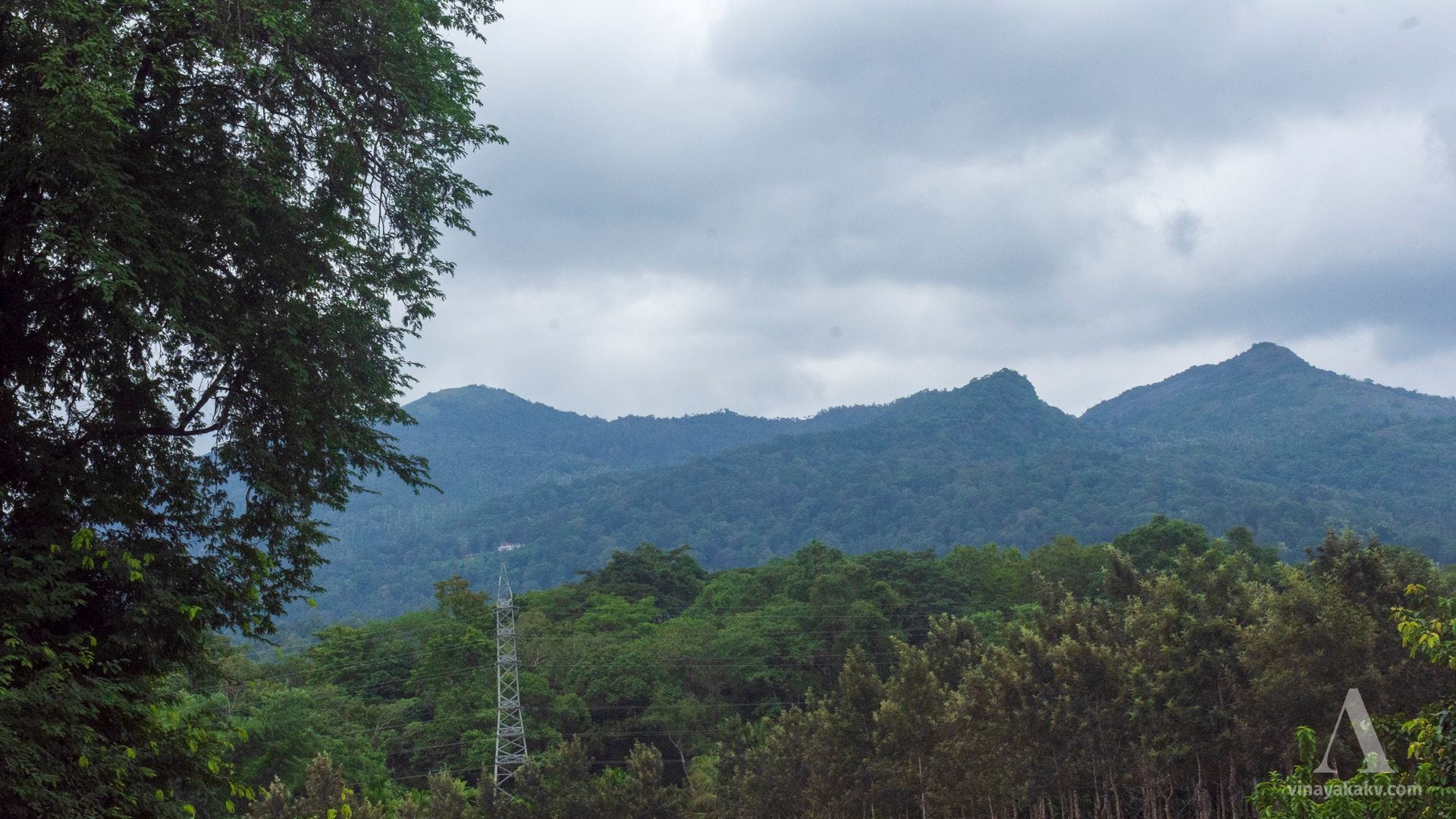
The rains accompanied me to the plains as well, though not as intense as they would have been in the ghats. The stark difference, however, was the wind speed. The plains experience windy days during the monsoon, whereas many places in the ghats are protected from the winds by the mountains.
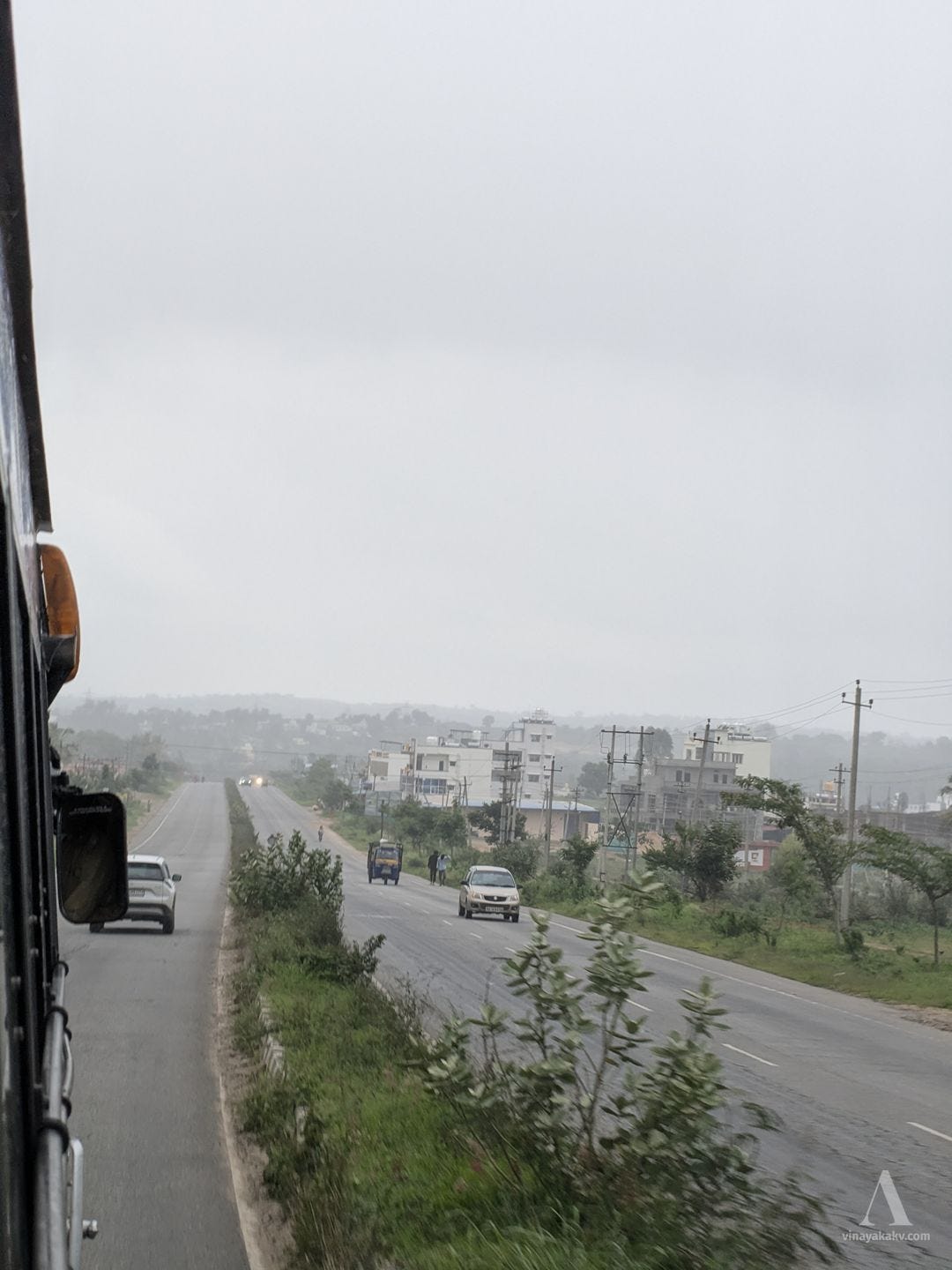
The drizzles continued in Mysore as well, with the low clouds lit by city lights, making them visible with a yellow hue at night.
The next day was mostly free of rain, but still with fast-moving clouds.
Clouds forming and moving, and the grass moving in waves with the clouds, created a meditative experience.
After spending a day in Mysore, I wanted to take revenge for the mountains I missed, and decided to head towards Gonikoppa of Coorg, to visit a friend there. Throughout the route, there was little sign of rain, causing me to wonder if the spell was already over when it started.
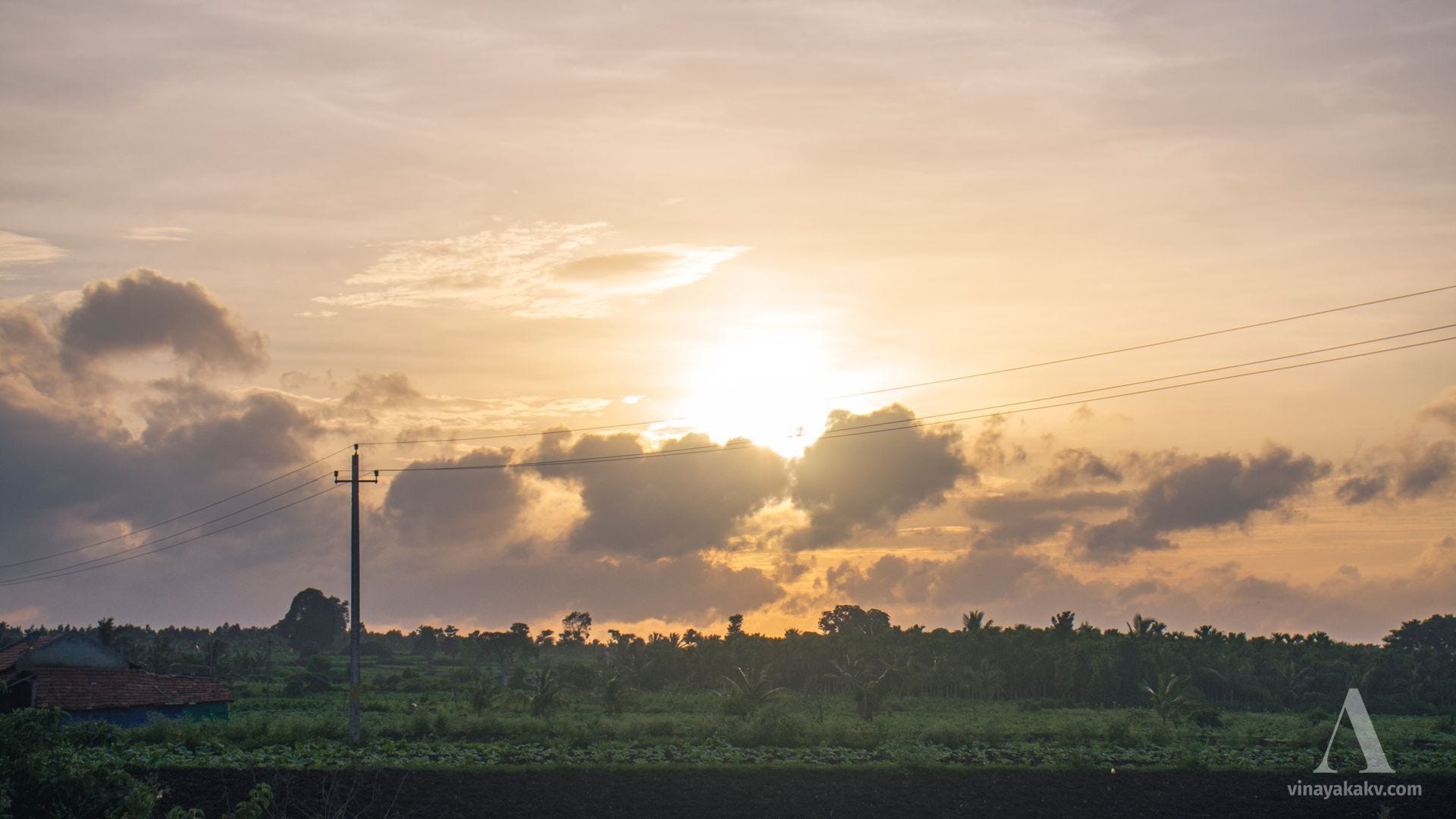
When I entered the familiar landscape of hills, mountains and coffee plantations, the sky was completely clear of clouds! At least, the roads were wet from several splashes and the weather was chilling.
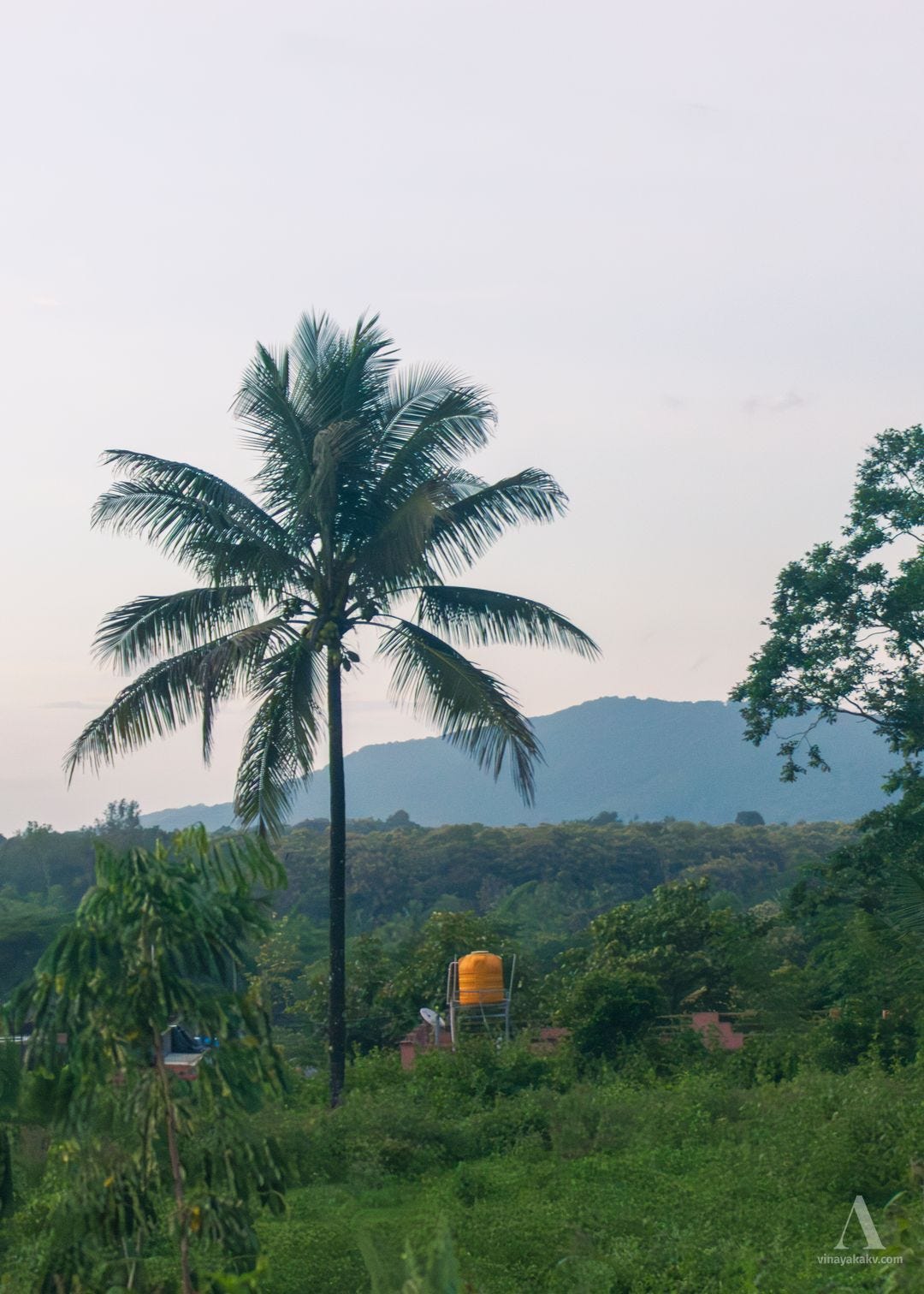
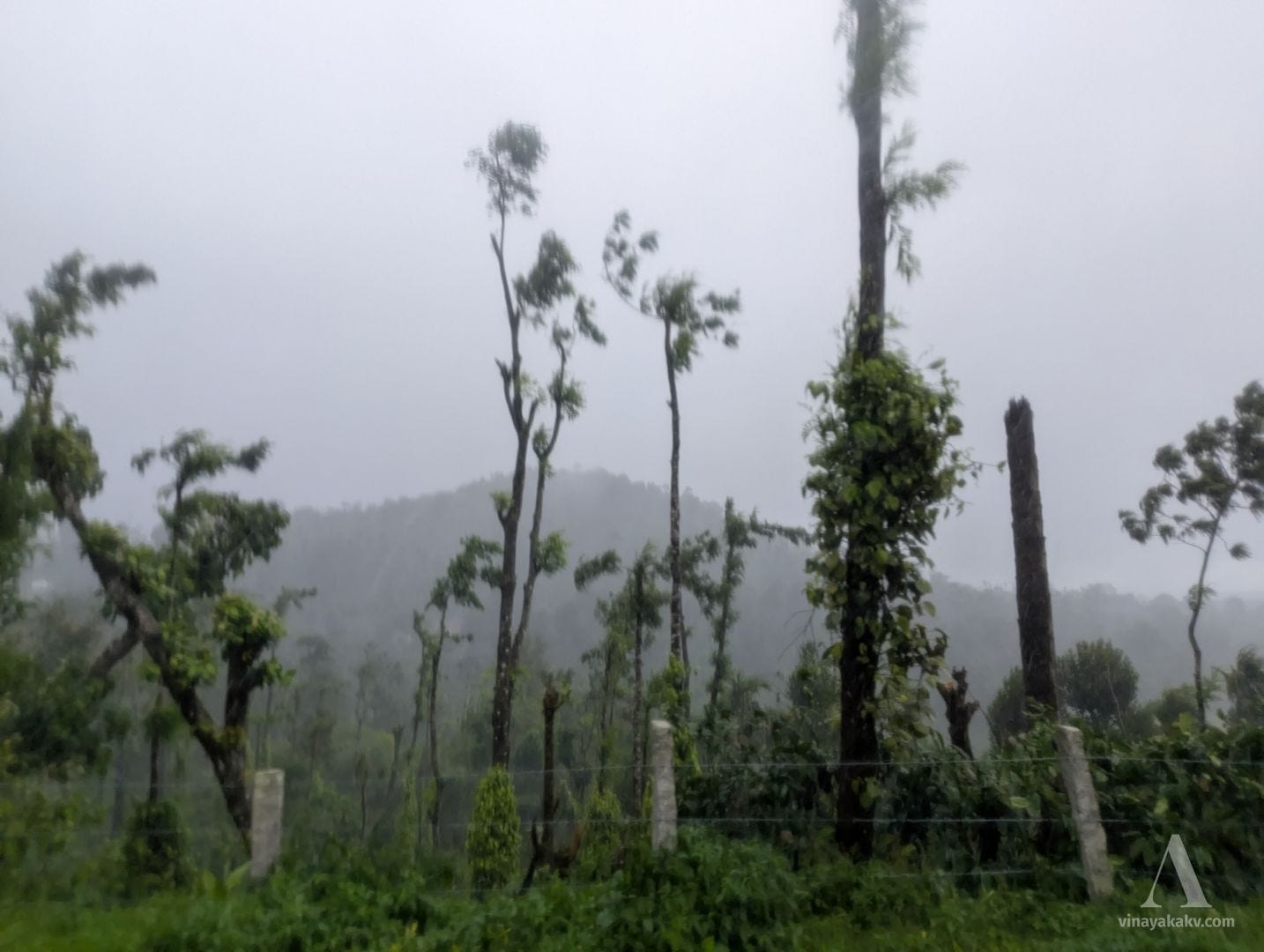
Next day, everything changed quite dramatically as we headed towards Madikeri, which is located at the edge of the ghats. We were greeted with loads of rolling mist, huge raindrops and crazy winds.
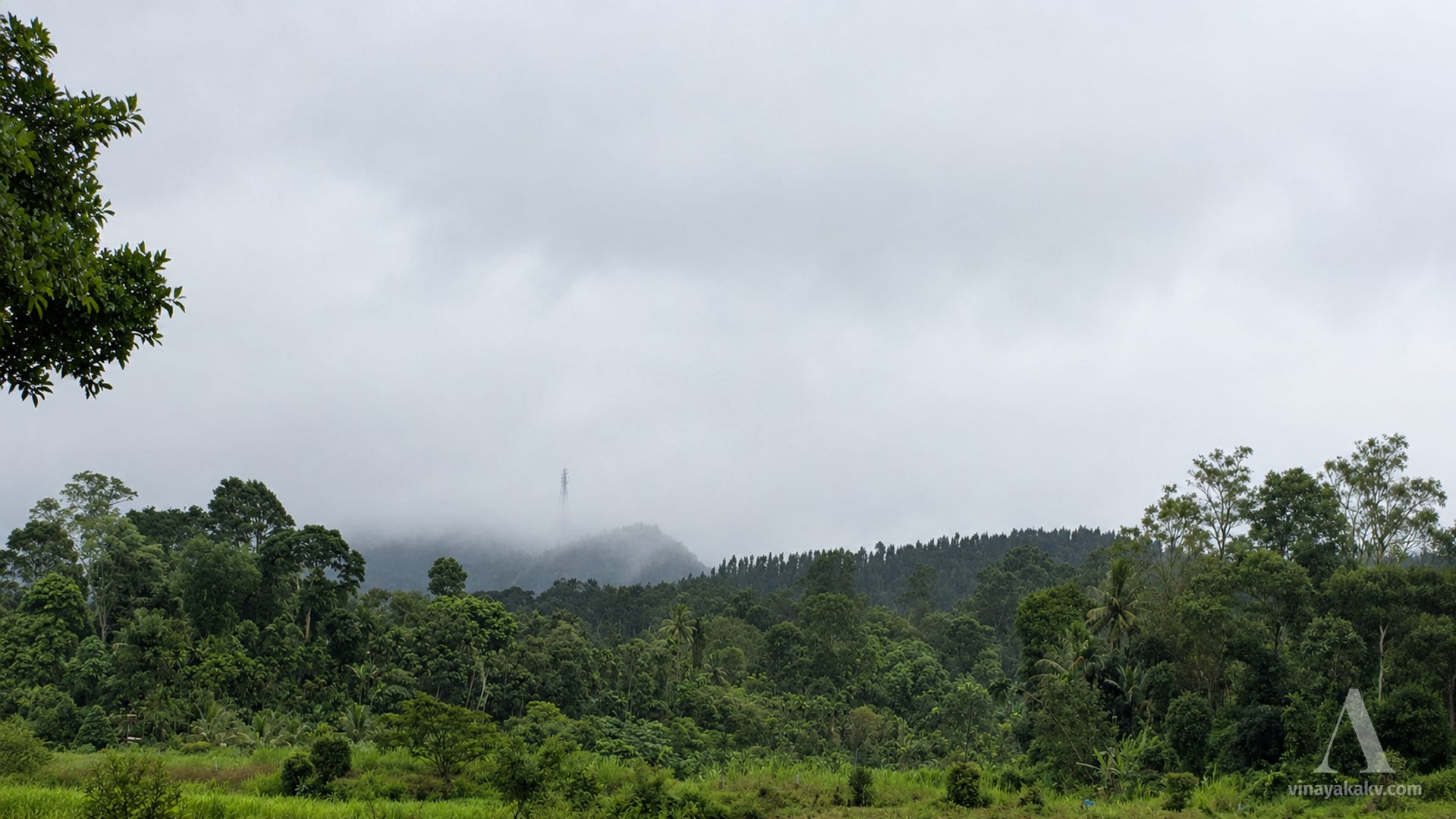
We went to the familiar viewpoint to gaze at Kotebetta, however we could only see its foothills.
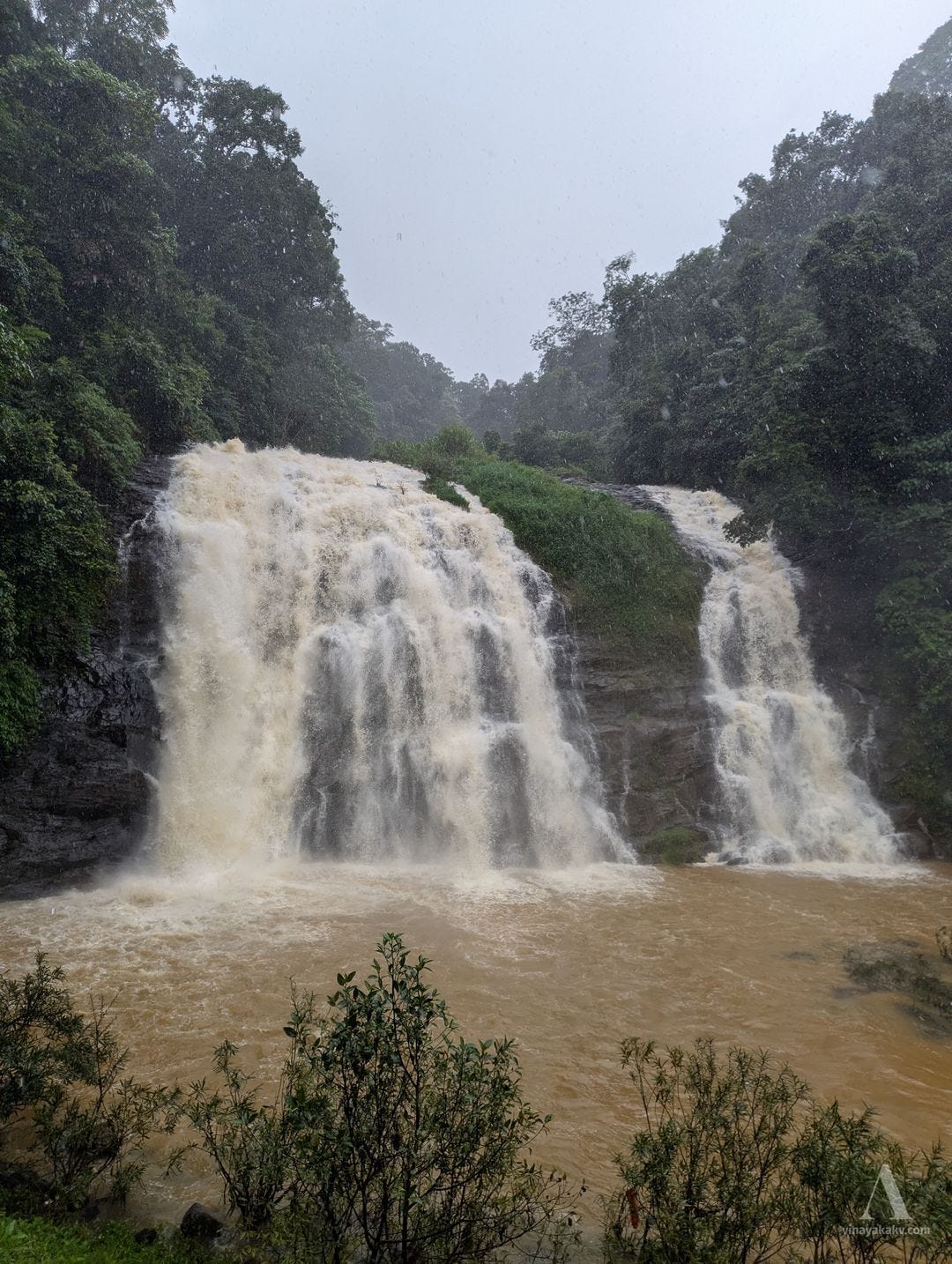
The famous waterfall of Abbi had come to life, though not to its fullest.
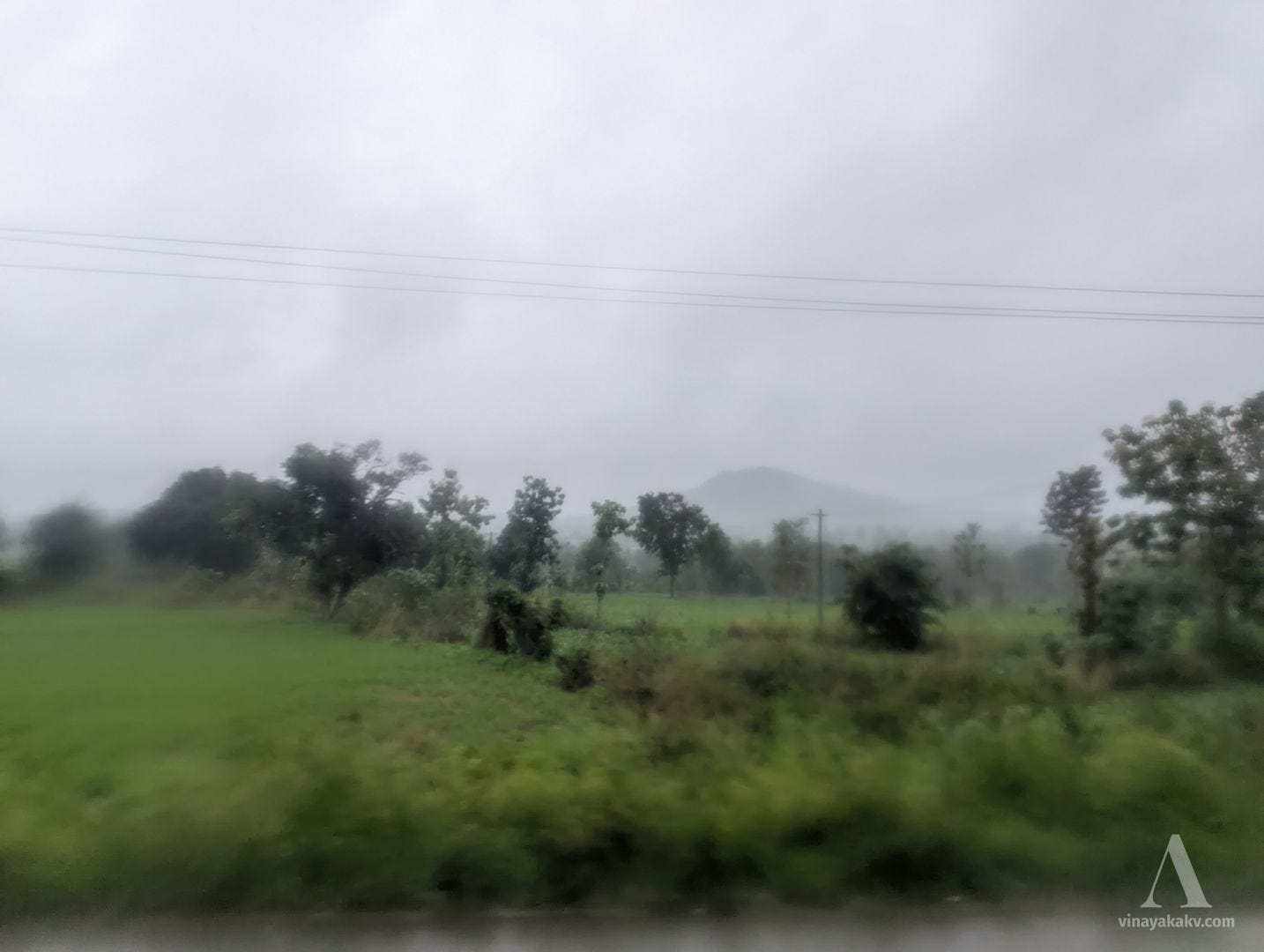
The rain intensified as I prepared to return to Hassan, heading toward my home. The rains continued to accompany me in the plains too, though with reduced intensity.
I was stuck at Hassan due to the unavailability of transport to reach my home. I decided to head towards the mountains one more time — to Sakaleshapura. The rains picked up along the way, and I stayed the night there. On the morning back to Mudigere, it was rainy everywhere.
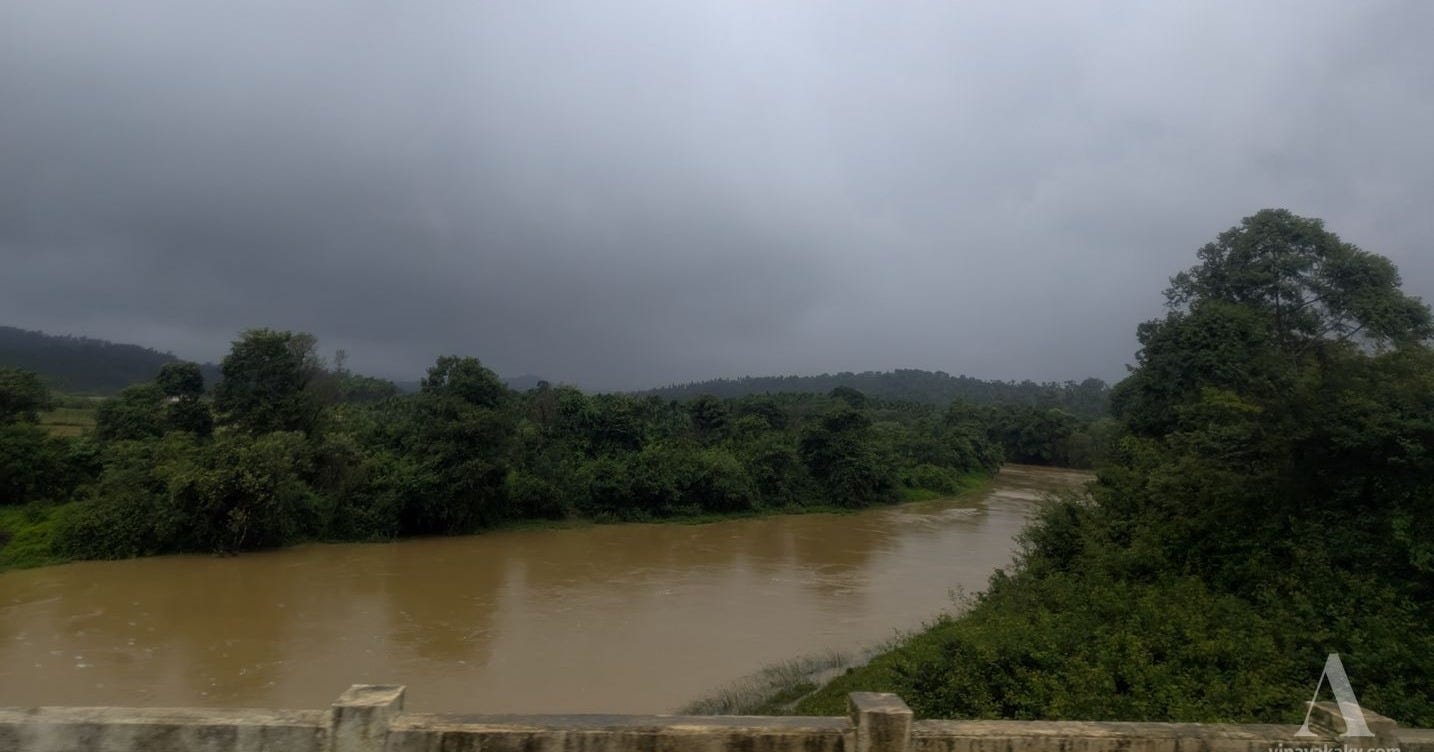
The river Hemavati, which is a tributary of the lifeline Kaveri, was swollen, though not flooded.
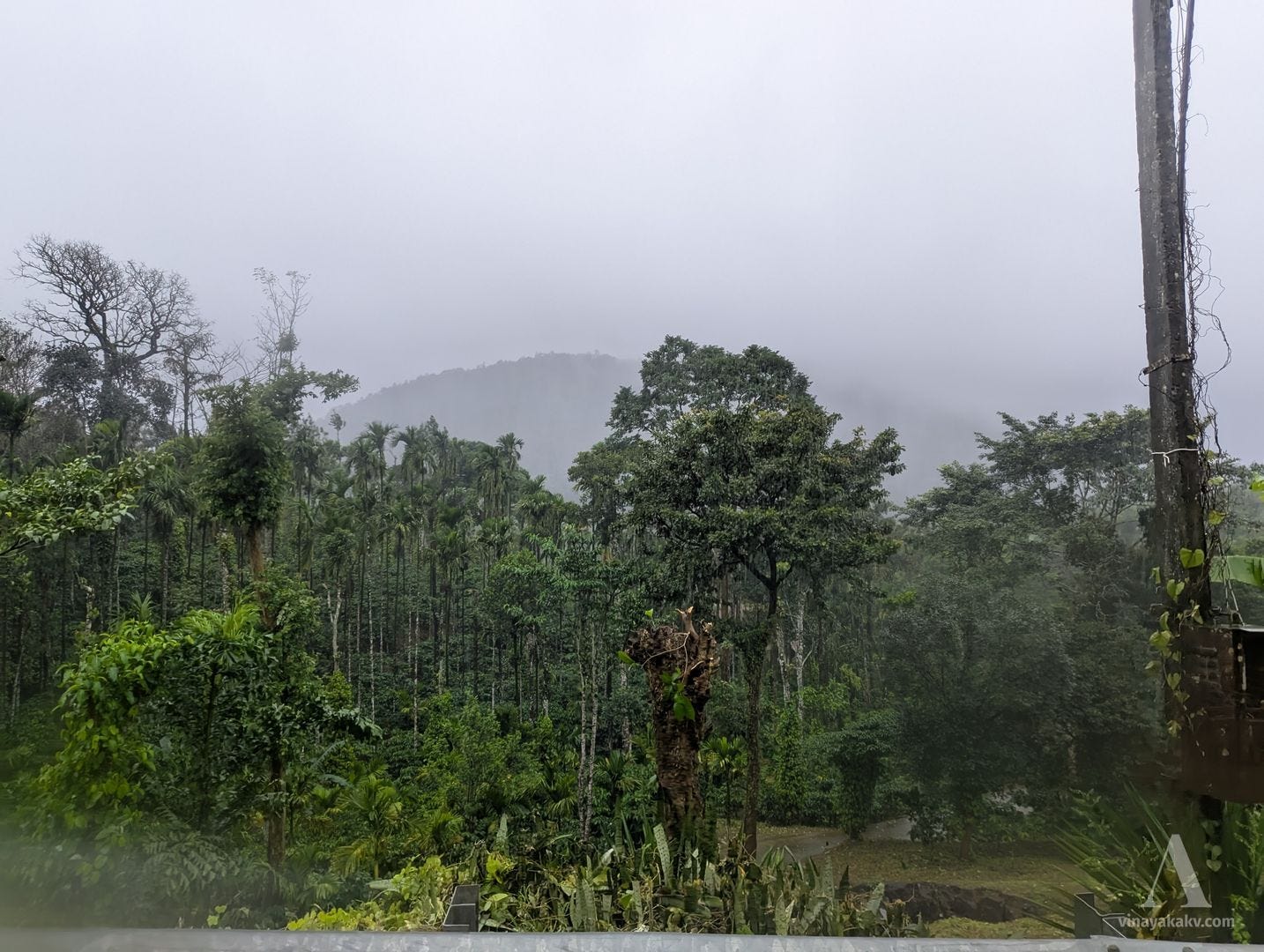
Rains greeted me as I entered my home, but they reduced the very next day!
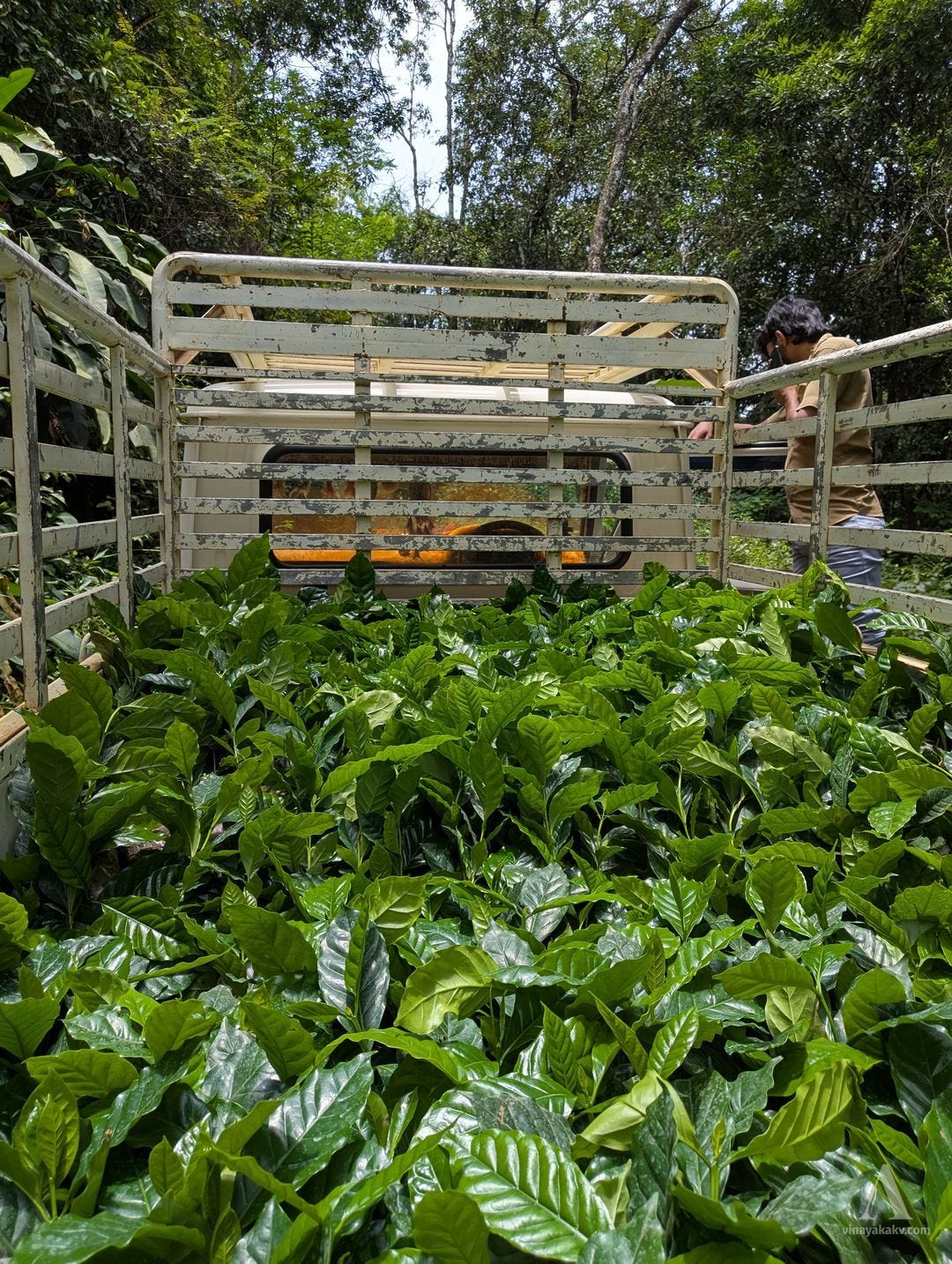
Initiating Coffee Planting
The end of July is perfect to start planting coffee, as the soil has adequate moisture content to support plant growth, and a few continued spells ensure that the young plants are not exposed to the harsh sunlight. We went to a nursery that was located at the foothills of the Chandradrona range of Chikkamagaluru to purchase the plants.
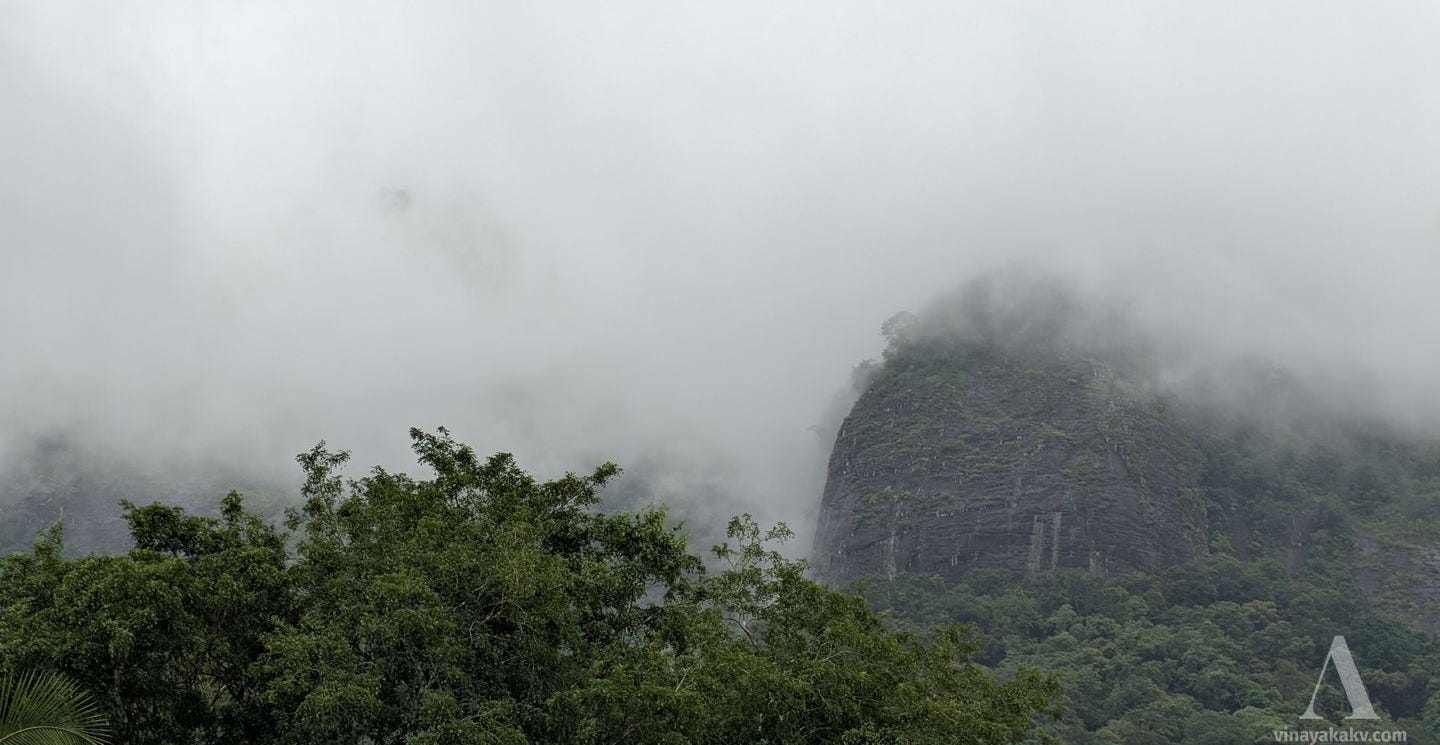
The place we went to had a great view of a granite cliff, which was breathing mist.
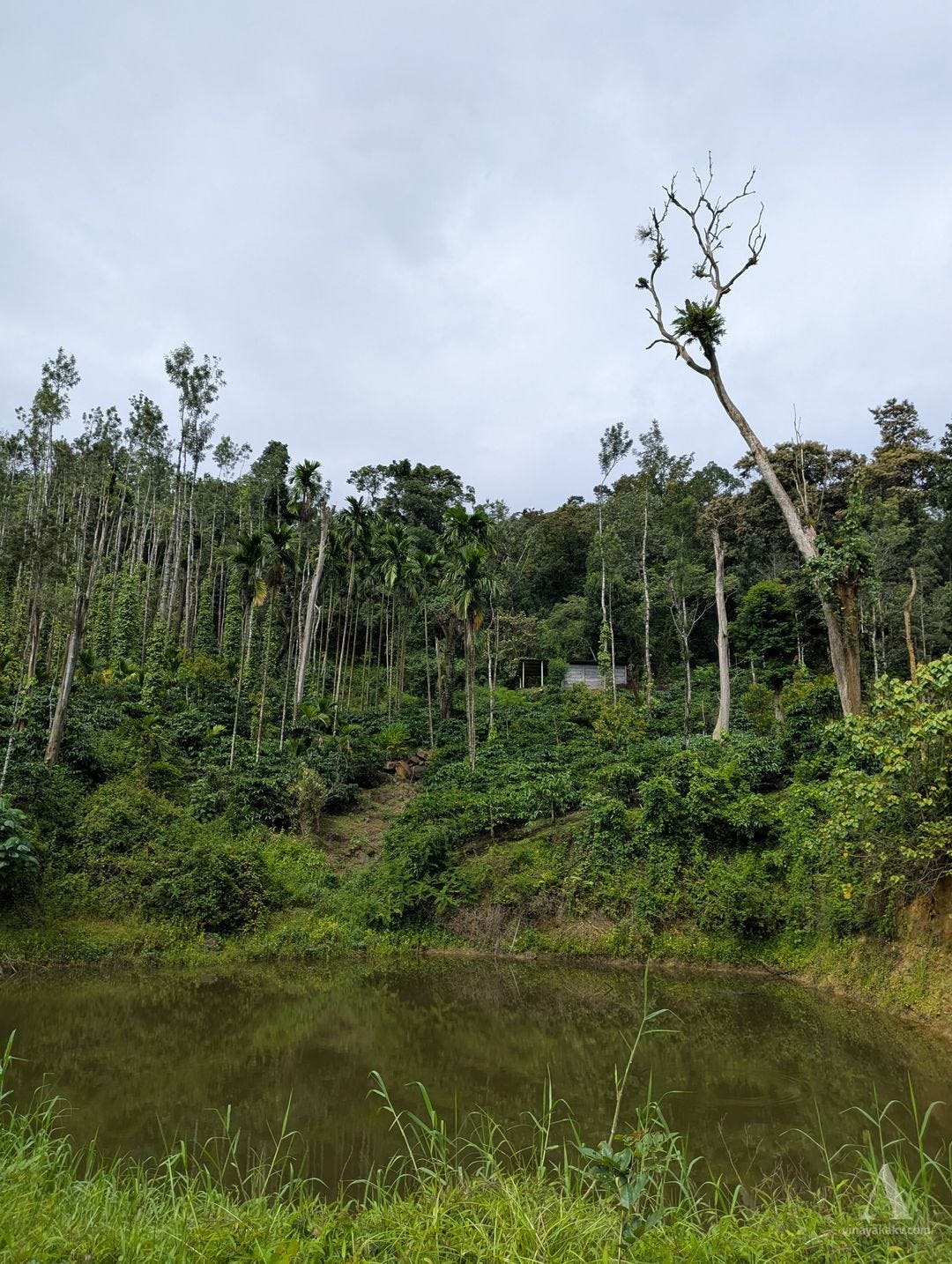
The nursery was itself situated inside a plantation, which had a beautiful lake.
The process of marking grids to space coffee rows starts with bamboo stakes, which are first used to mark the spots.
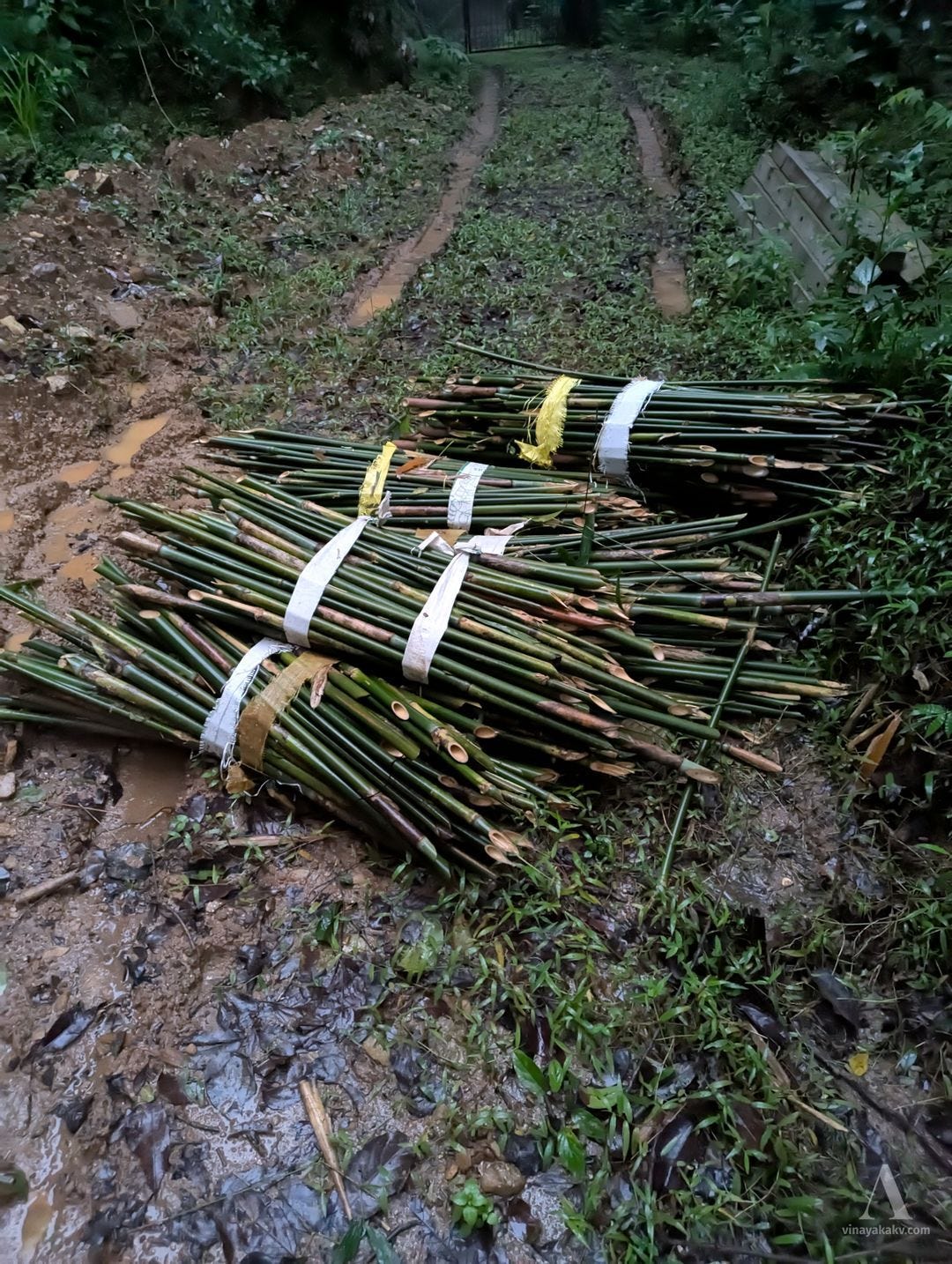
Once the plants are planted, these stakes are then cut to support the plant during its new growth.
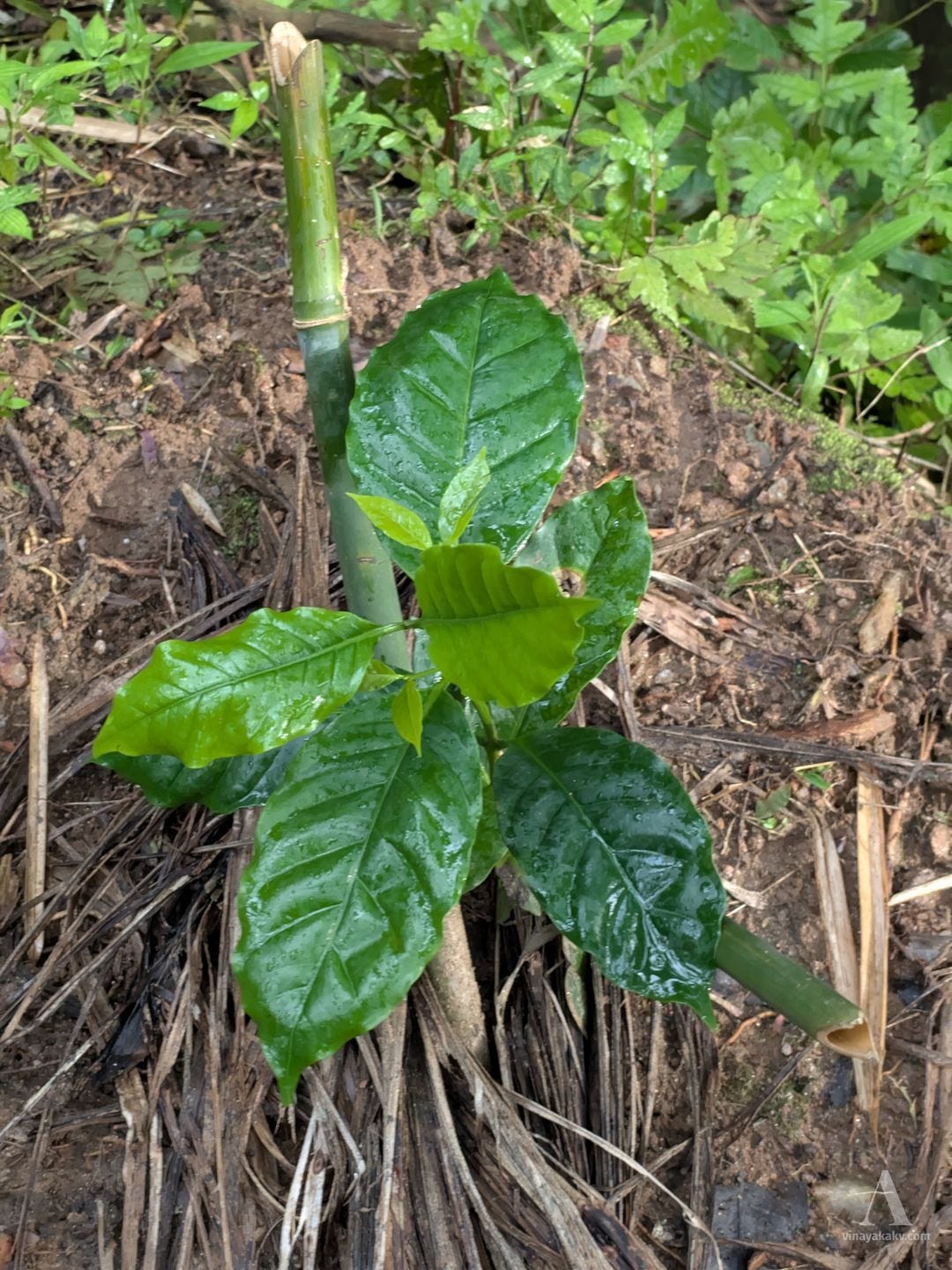
We have planted 1100+ Chandragiri + Hemavati varieties of Coffea arabica. Along with them, we have planted several Garcinia fruiting plants and local native trees for the shade. Stay subscribed to updates on how they grow up!
The Second Spell
While we are in the process of planting coffee, the second spell of monsoon arrived. Although it did not rain as much as the first one, it sure flooded, since the soil was close to being saturated. Several seasonal streams burst into action out of nowhere.
I got a chance to visit the coast of South Canara immediately after the spell for a relationship talk, which turned sour and bitter very quickly. However, I got to see the streams running in their full flow. The streams are small in size in the ghats, as they are close to their origin, but vigorous nonetheless.


The mountains are especially beautiful after these spells, with mist hanging in the valleys and the clouds covering the mountain bottoms.
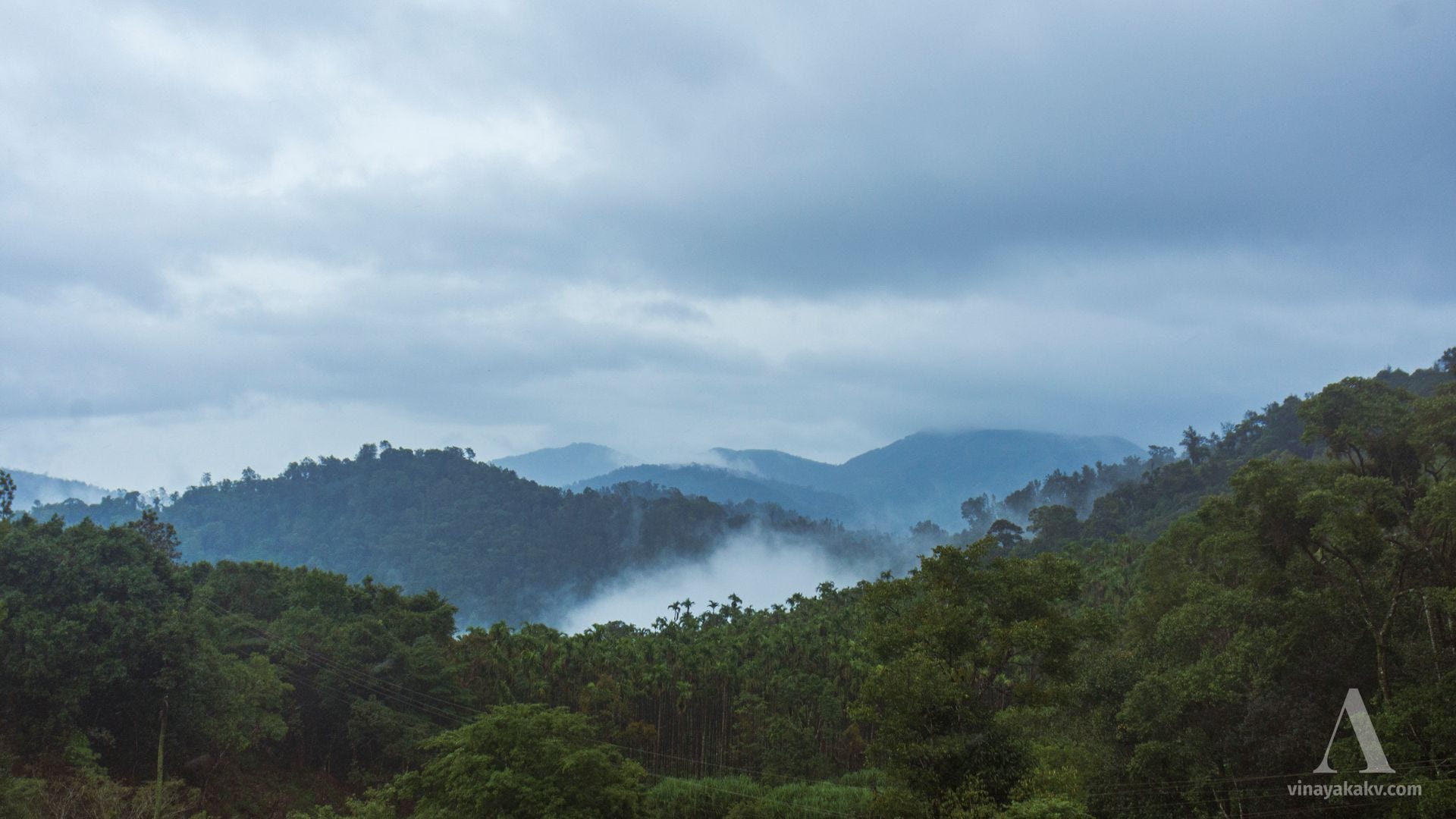
The mist rising on one side of a mountain gets stuck if it is pushed back by prevailing monsoon winds, creating a lock-in effect that created a beautiful effect in the case of a mountain at the edge of the Western Ghats.
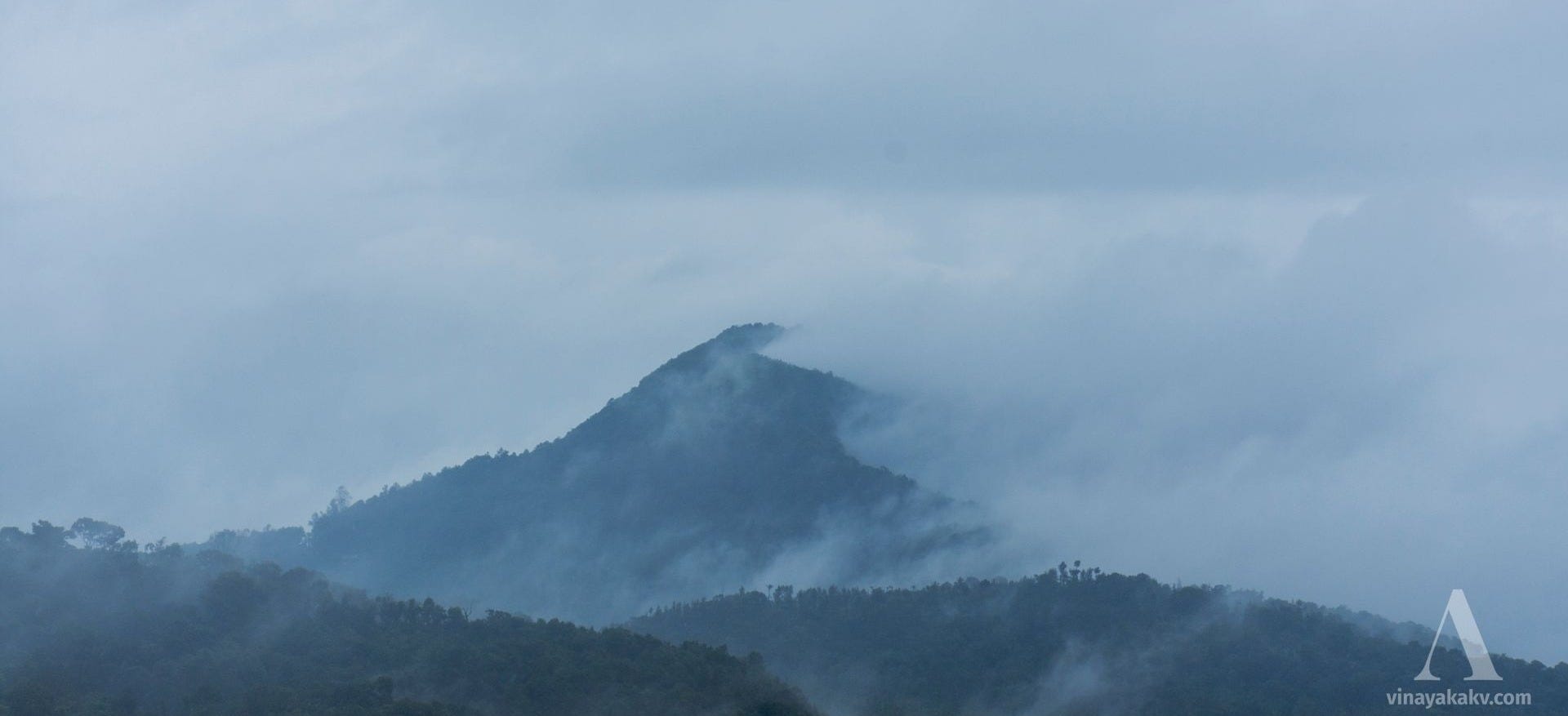
Activity in the rice fields located in the valleys starts as they get prepared to be planted.
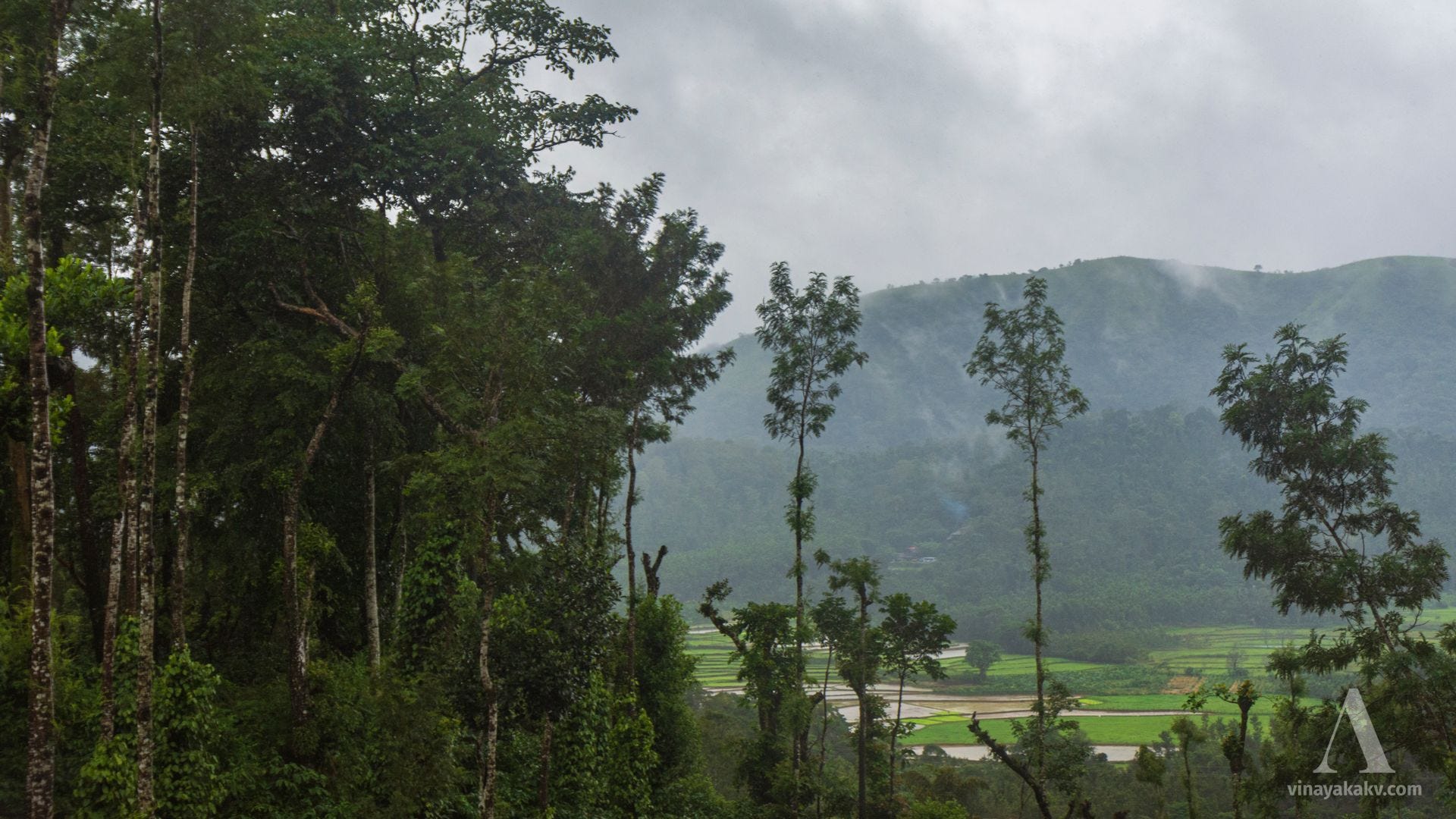
The trimmed shade trees in the Coffea canephora (Robusta) plantations allow the mountain views to pass through, while they appear as sticks.
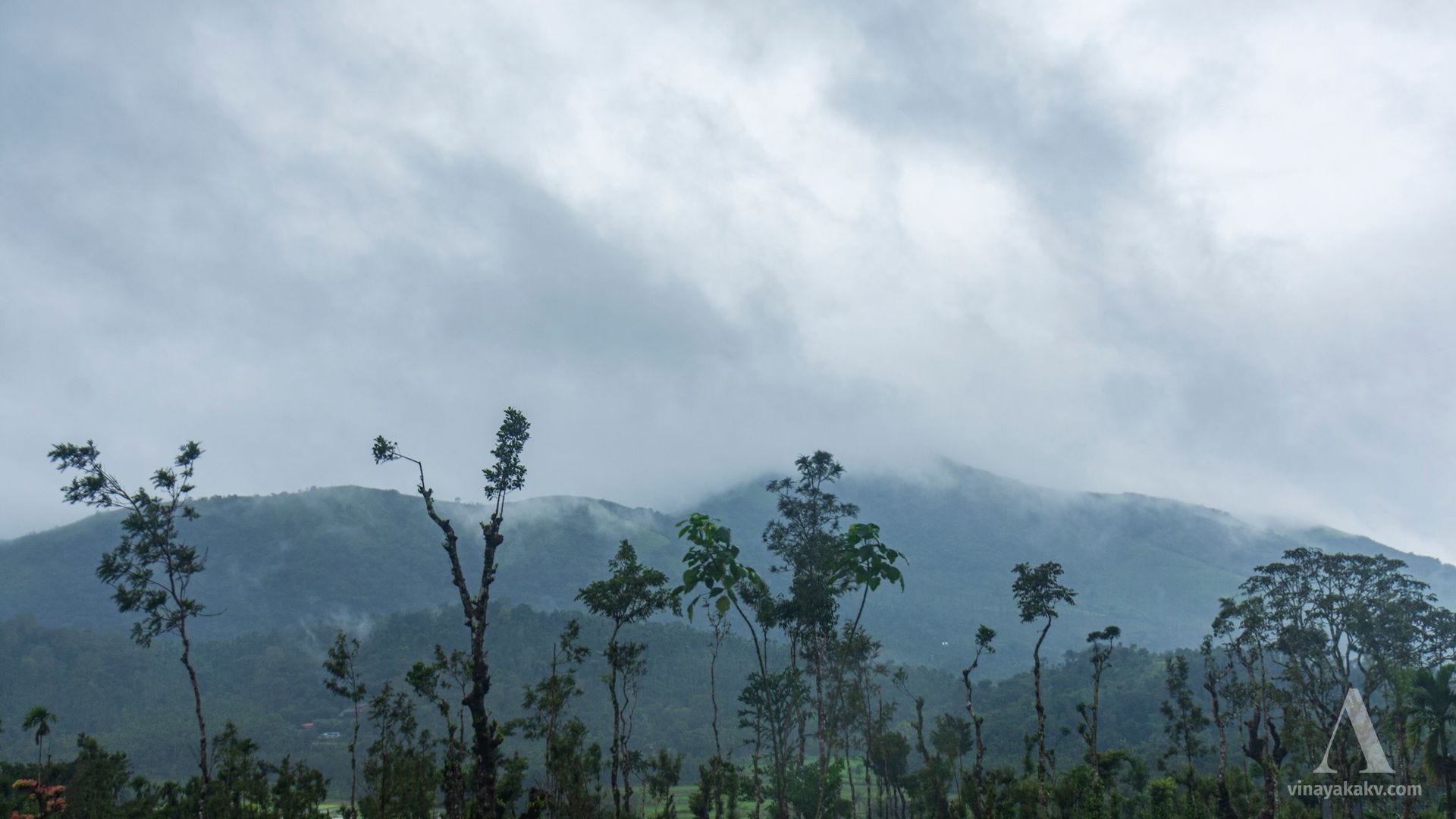
Mist revealing the layers of the mountains is a sight to behold.
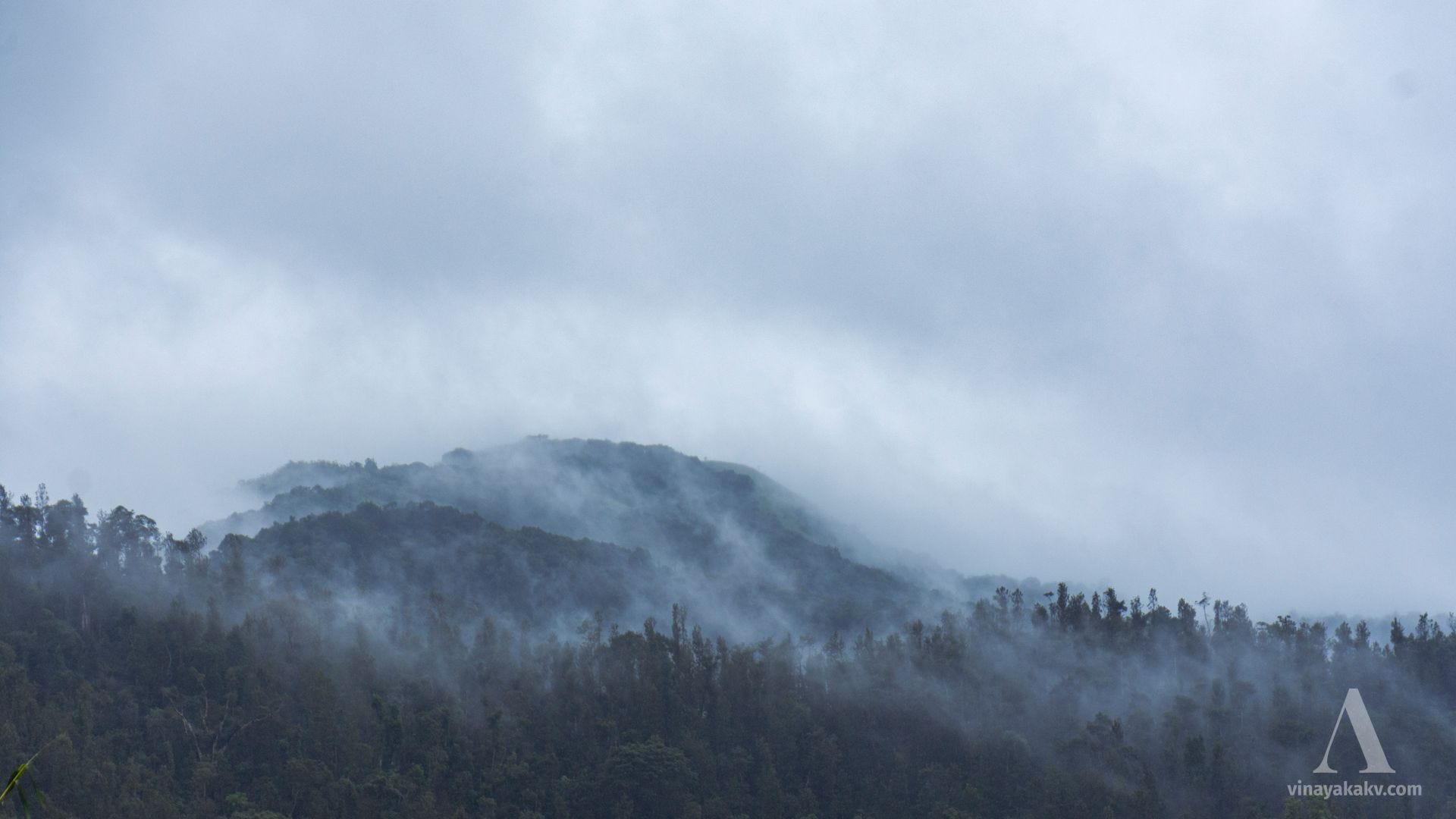
It seems like even animals and birds want to enjoy the views!


I had to descend the ghats through Charmadi Ghat, as our shorter route through the Kuduremukha National Park was blocked due to a stream overflowing. However, due to the crowds, I could not get a chance to take a photo of the route, which was alive with lots of waterfalls and hanging mist.
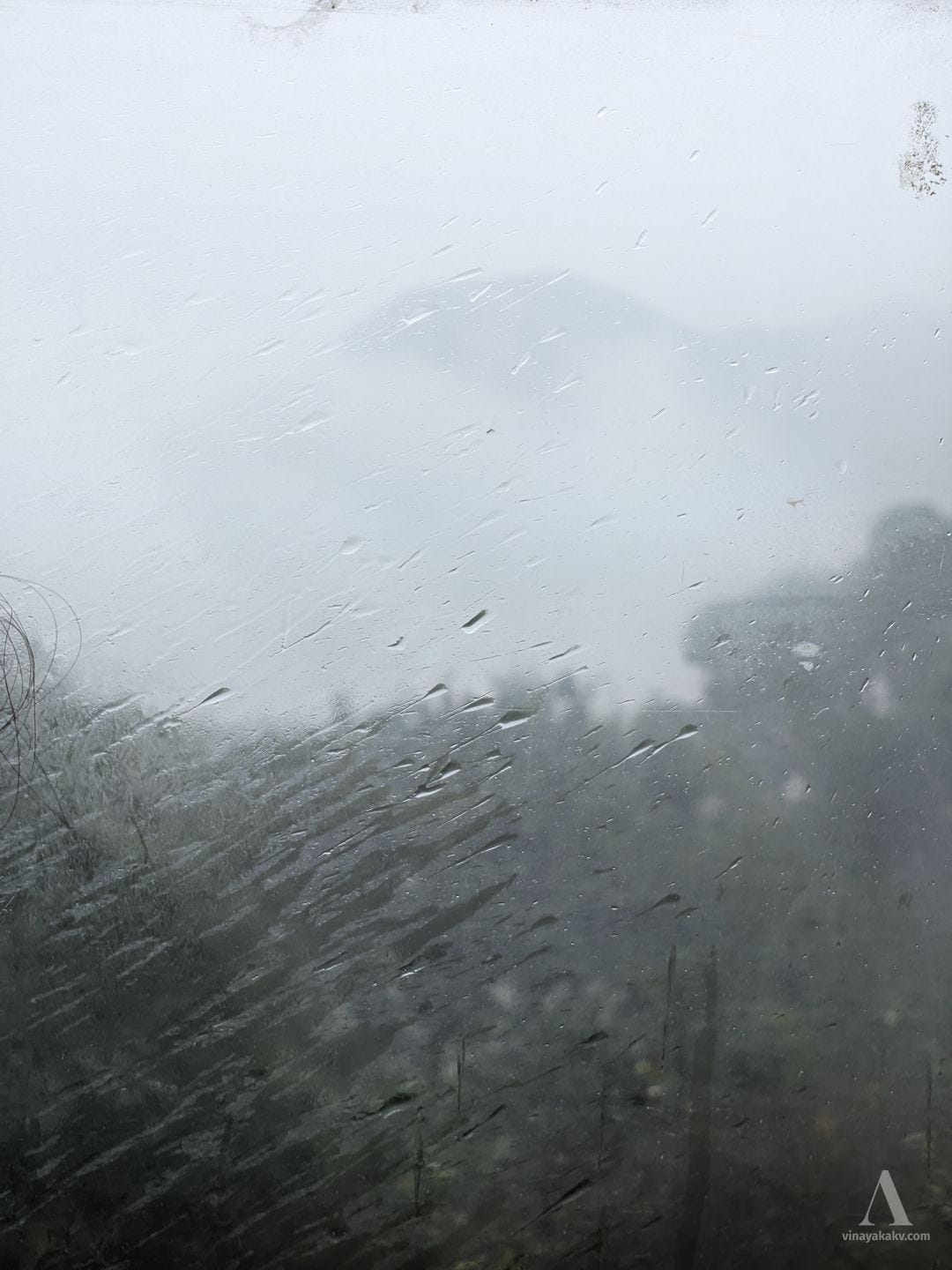
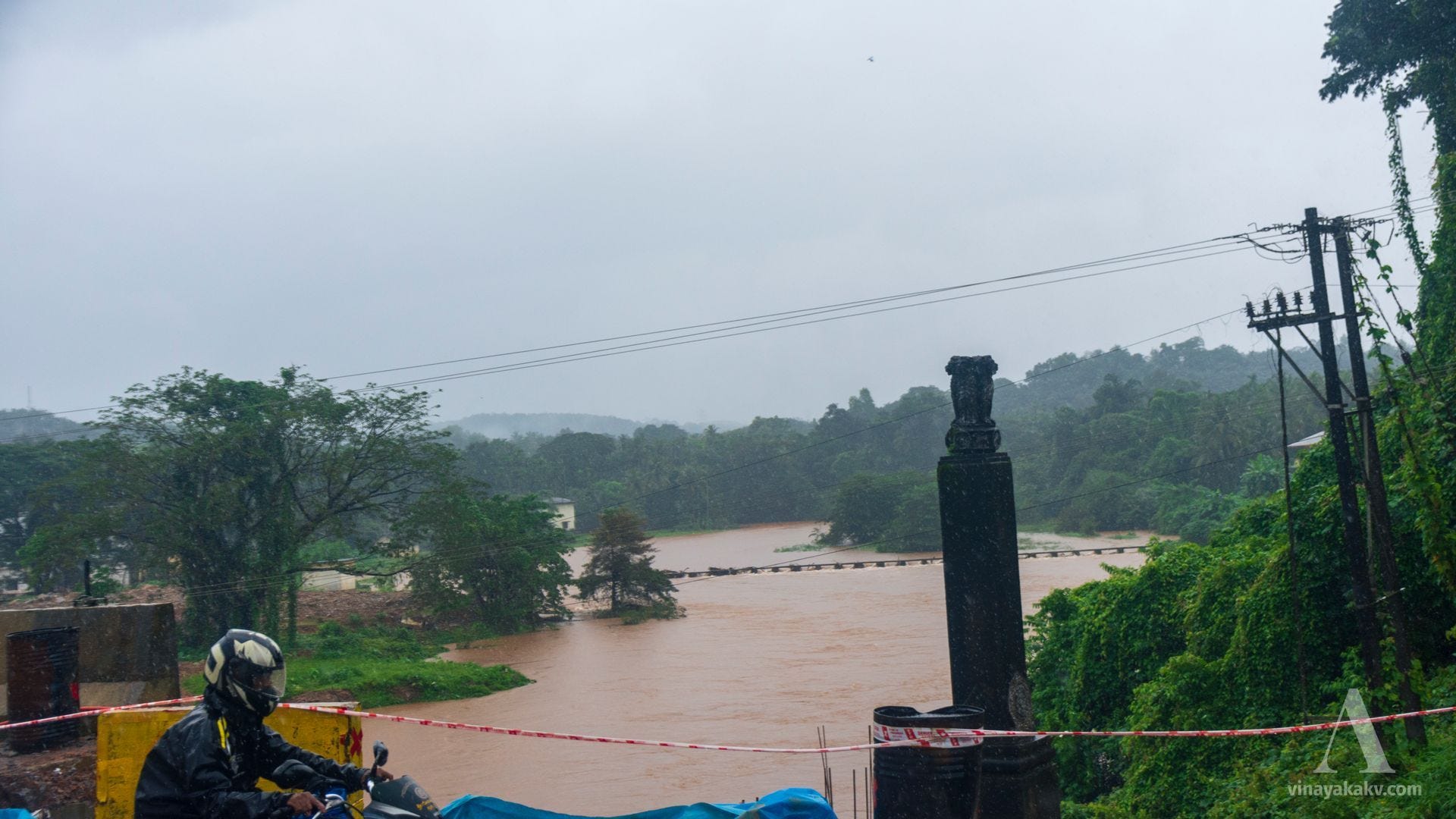
As soon as I descended the ghats, the vibes changed — with an increase in temperature and in the sizes of the streams. The rivers and streams that were flooded the previous days were slowly calming down.
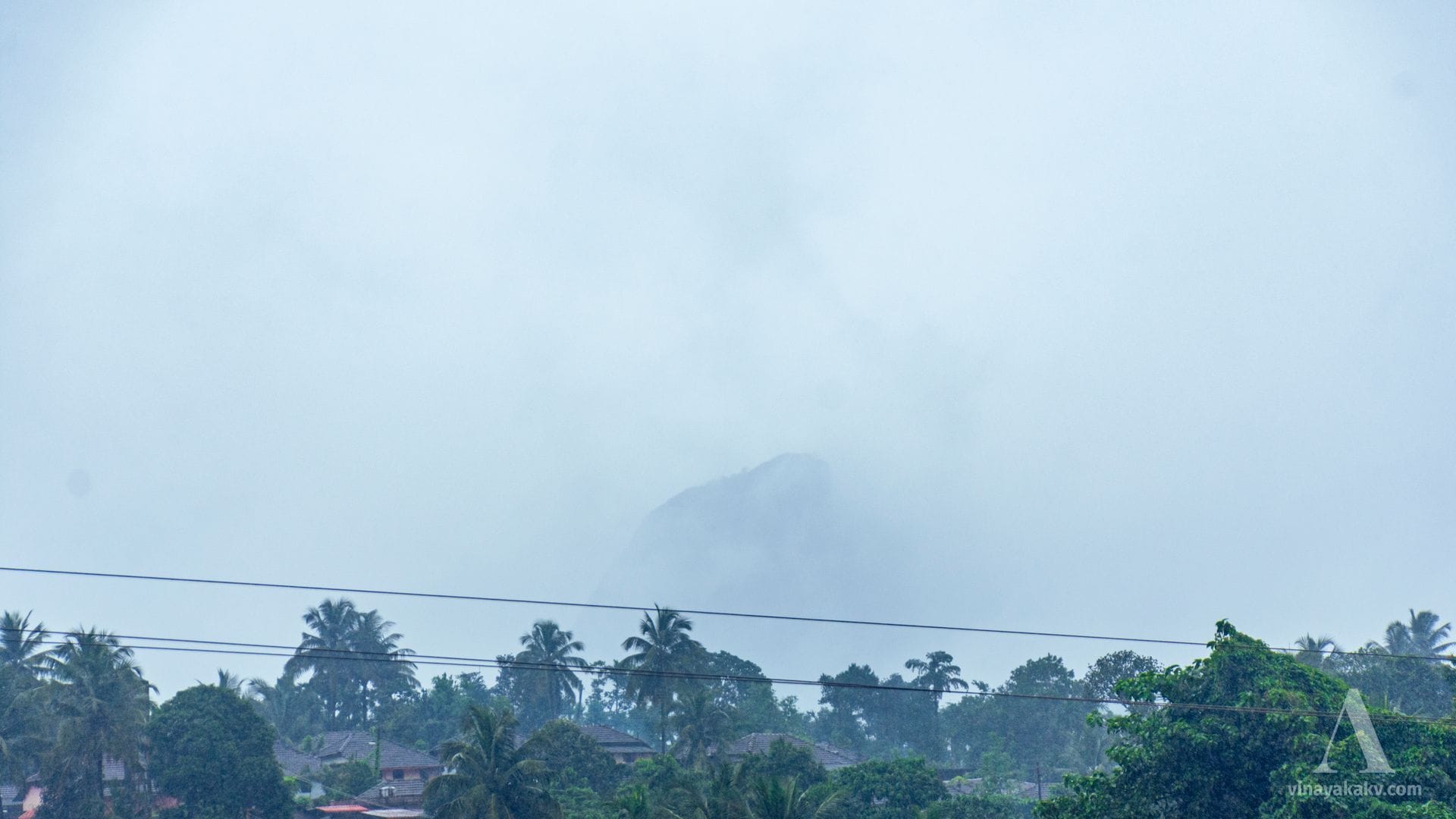
The inselberg of Gadayikallu was barely visible, covered with clouds.
Now I was traveling in the same direction as if I would have travelled through the Kuduremukha National Park. I got to see a constant view of those mountains in the backdrop, with rivers sometimes, and life at other times.


At Karkala, I visited the Gommata statue atop a granite hill with a friend, and put my understanding of the clouds moving from east to west to the test. Along the route, I had observed the clouds not following the direction that I understood, and the compass app did more to increase my confusion. The time-lapse I took had clouds moving from north to south! A little research later confirmed that the wind direction is variable at lower altitudes, affected by the sea and differential heating. However, at higher altitudes, winds have a more organized nature. At the ghats and above, we get to only see the higher-level flows, which are usually westerly.
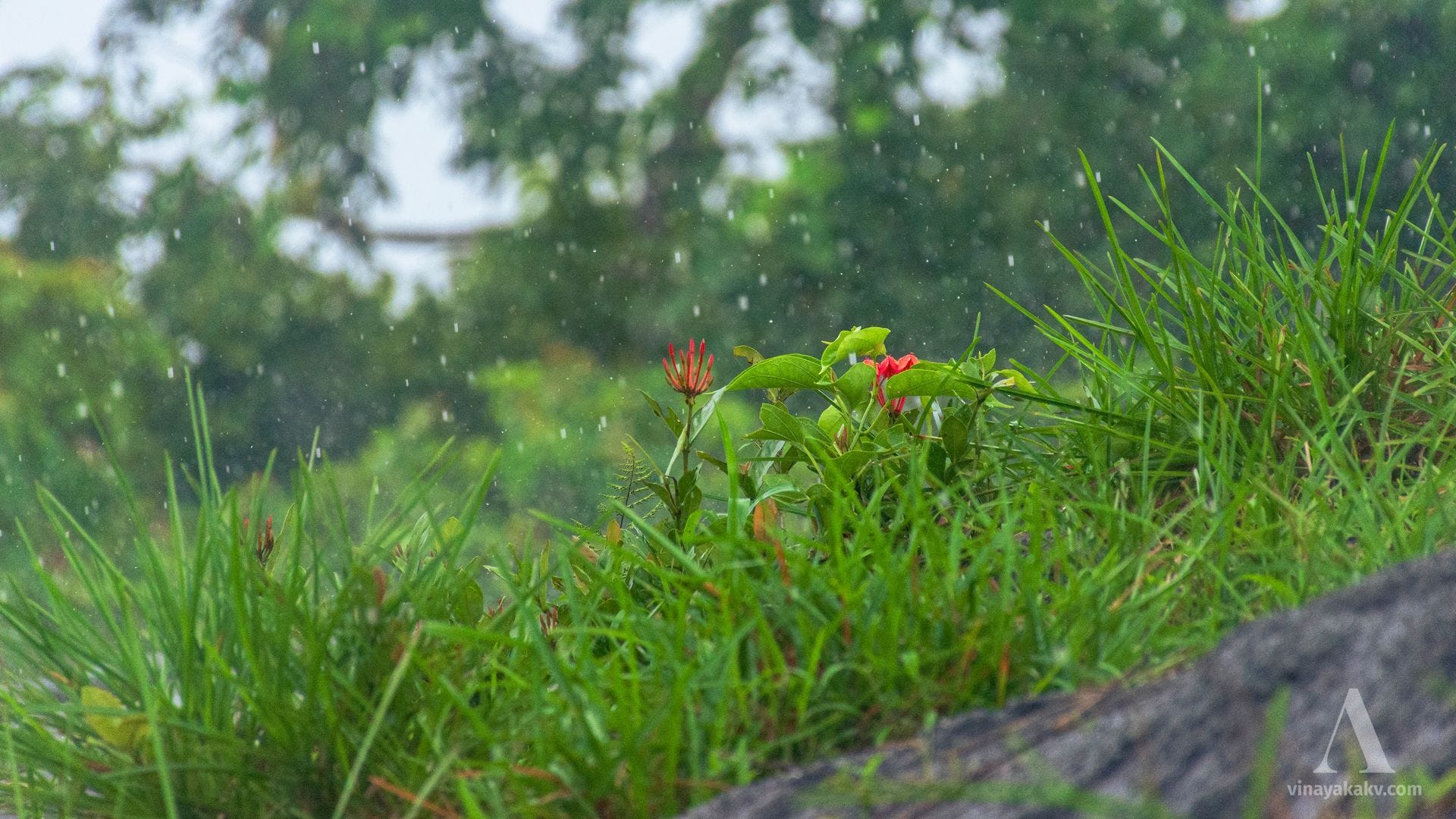
We got to see the wild Ixora flowers in bloom atop the rock. The biome atop the rock is very dry during the winter and summer. Life springs back there in monsoon with the abundance of water and moisture.
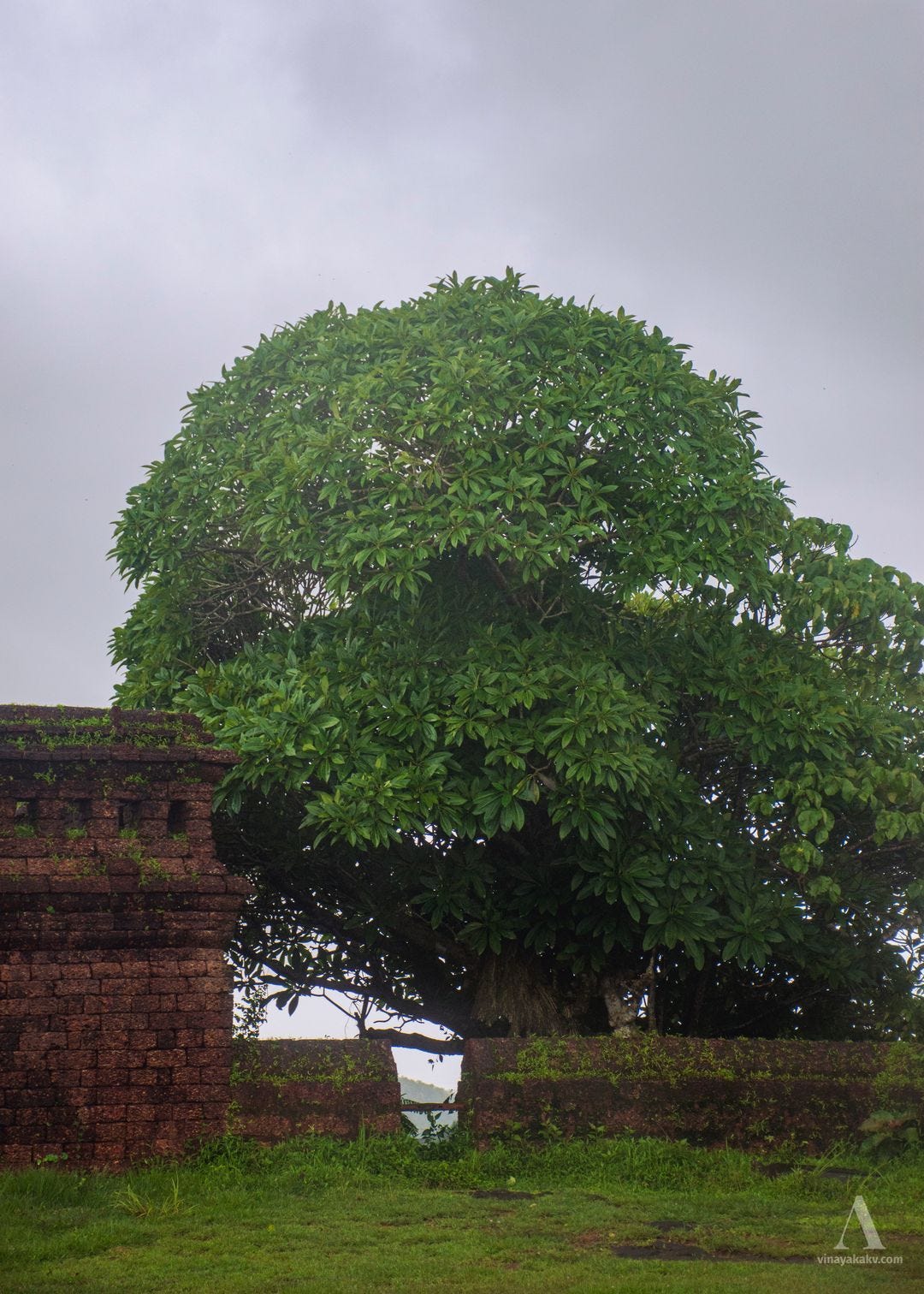
The Plumeria tree beside the temple is a remarkable specimen.
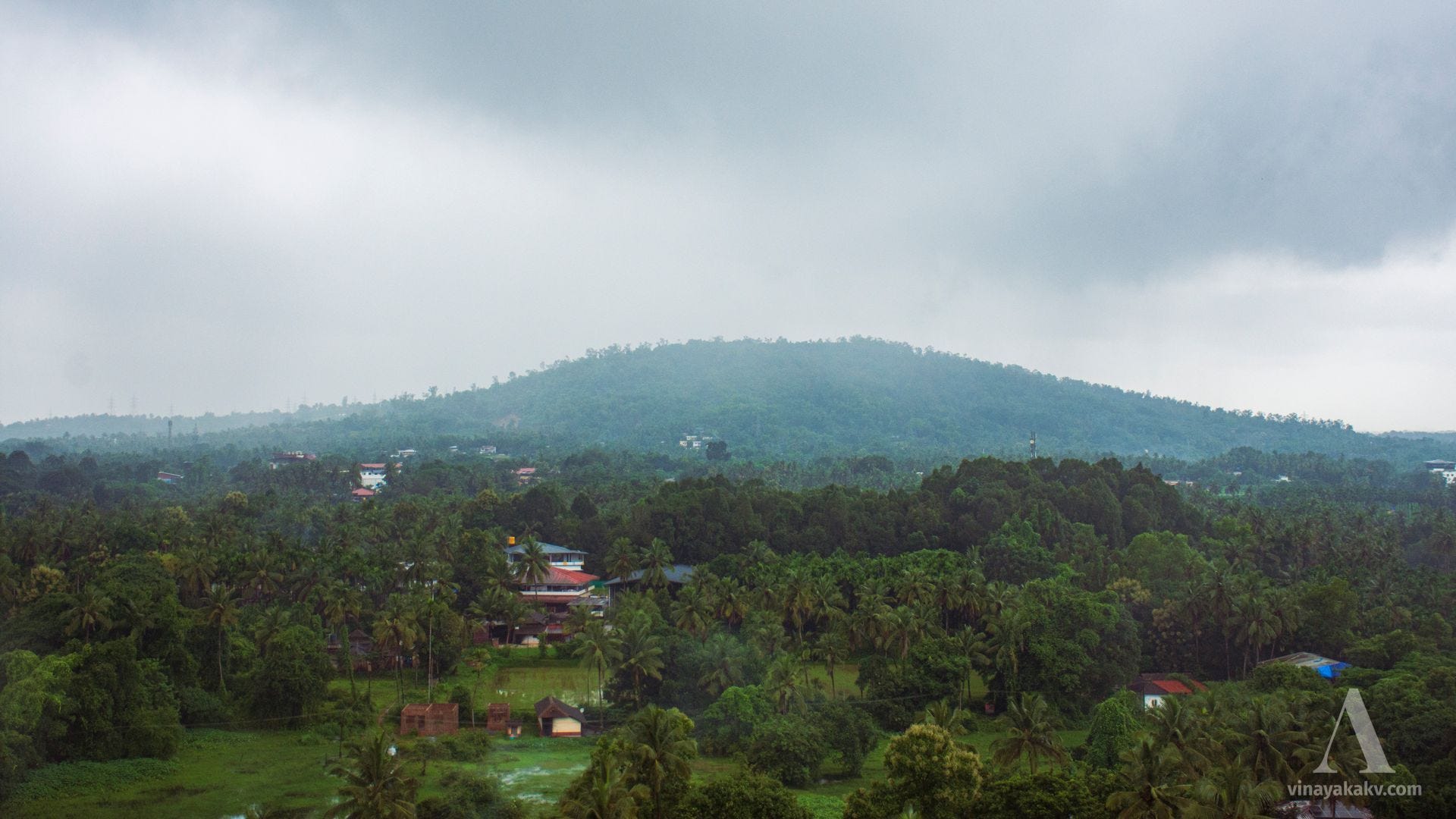
The view of the surrounding landscape was limited in visibility, with us unable even to see the Western Ghats of Kuduremukha National Park. However, the view of the immediate neighborhood was beautiful and full of greenery.
It got very dark during my return journey after the stream had reduced, and I could not take any further mountain pictures, calling it the end of the day.
Looking into the future
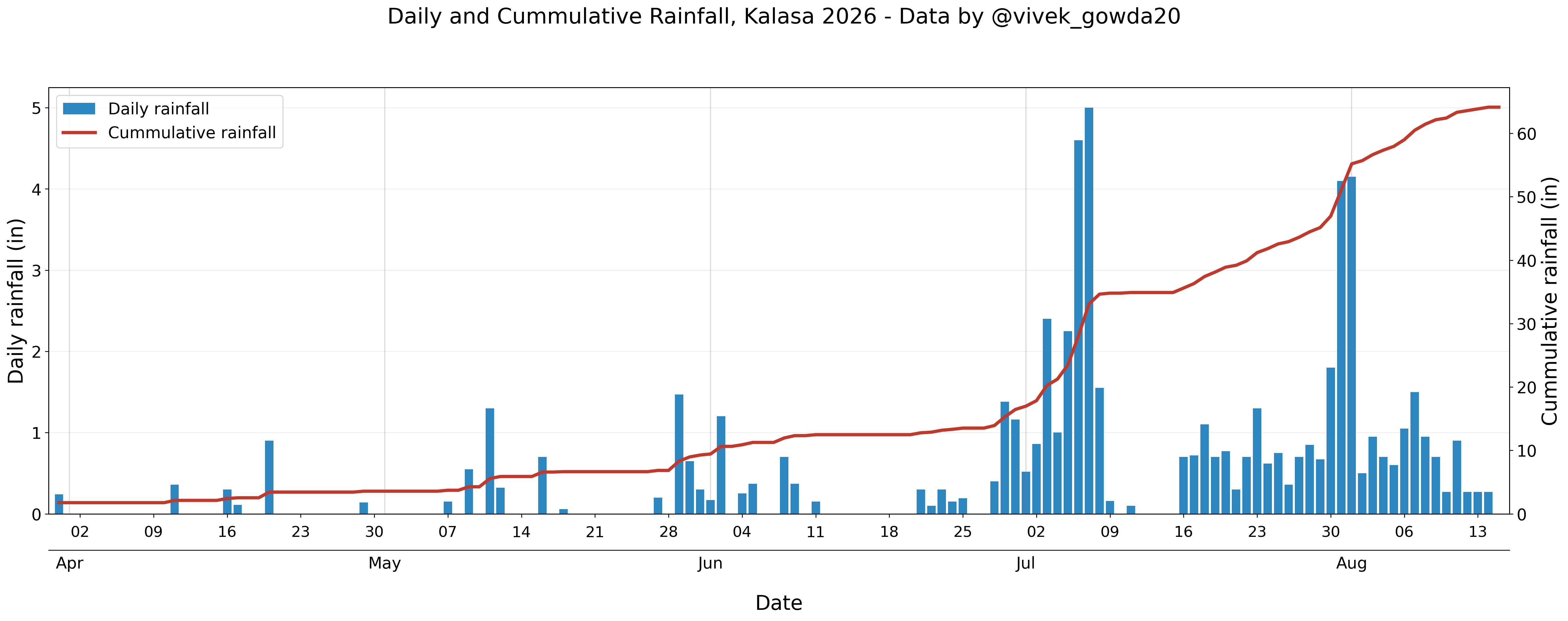
The rain deficit this year is real, and water conflicts are being foreshadowed. However, the spells have ensured that the core aquifers have been filled up. El Niño means warmer-than-usual winters and summers — which we have to be prepared for. So far, our rainfall numbers look on par with 2023, which was also an El Niño year, with 83” of rainfall compared to the usual 120”-130”. (Thanks to @vivek_gowda20 for the data!) The places on the coast and at the edge of the ghats have fared better, but face the same deficit percentage-wise. (Yeah, we measure rainfall in inches, a relic from colonial era, and mm is too much for us!)
I am also looking forward to seeing the progress of the coffee plantation, along with the fruit and shade trees. And regarding the relationship note earlier — if you are someone, or know someone, who enjoys mountains and natural ecosystems as much as I do, and wants to build a lifestyle around nature, organic farming, Fukuoka-inspired experiments, remote work and local entrepreneurship, feel free to get in touch with me — let’s talk! It is time for India to move beyond traditional horoscope filters and be a little more broad-minded!